The Menhaden Fight: When Fishermen Stand Up for the Food Chain
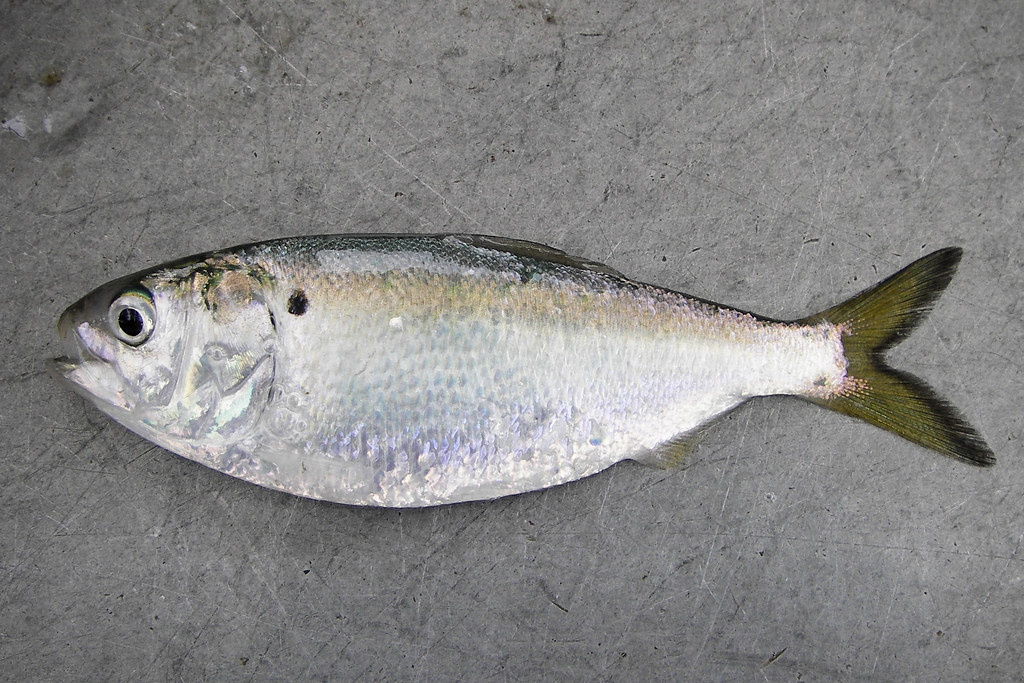
🐟 THE MENHADEN FIGHT: WHEN FISHERMEN STAND UP FOR THE FOOD CHAIN
October 24, 2017 - Today, South Atlantic Fishing Environmentalists (S.A.F.E.) joined a coalition of 45 conservation organizations, fishing groups, and scientists in submitting a critical letter to the Atlantic States Marine Fisheries Commission (ASMFC). The subject? Atlantic Menhaden - a fish you've probably never eaten, but one that every predator in the ocean depends on.
📄 THE COALITION LETTER: FORMATTED VERSION
Below is the formatted text from the coalition letter signed by S.A.F.E. and 44 other organizations. The original PDF formatting was difficult to read, so we've cleaned it up for clarity.
WILDLIFE SIGN-ON LETTER RE: MENHADEN DRAFT AMENDMENT 3
October 24, 2017
To: Atlantic States Marine Fisheries Commission (ASMFC)
Re: Draft Amendment 3 to the Interstate Fishery Management Plan for Atlantic Menhaden
Dear Commissioners,
On behalf of the 45 undersigned conservation and fishing organizations, representing millions of members and supporters across the Atlantic coast, we write to express our strong support for ecological, science-based management of Atlantic menhaden.
🌊 THE ECOLOGICAL IMPERATIVE
Atlantic menhaden are not merely a commercial commodity—they are the foundation of the coastal food web. As filter feeders, they clean our waters. As forage fish, they sustain:
- Sportfish: Striped bass, bluefish, weakfish, tuna
- Birds: Ospreys, eagles, terns, pelicans
- Marine mammals: Dolphins, whales
- Commercial species: Blue crabs, lobsters
- Menhaden populations have declined by 88% since the 1980s
- Striped bass are showing signs of malnutrition and reduced reproductive success
- Osprey diets are 95-100% menhaden during critical nesting periods
- Chesapeake Bay produces 70% of Atlantic menhaden—and its ecosystem is collapsing
- Adopt ERPs as soon as the technical work concludes in 2019
- Manage menhaden as part of an ecosystem, not as an isolated single species
- Account for predator needs in all harvest decisions
- Remain at the current 42% reduction level
- Be made permanent, not temporary
- Protect this critical nursery ground for the entire Atlantic coast population
- Option E as the most precautionary approach
- Reducing harvest pressure to rebuild menhaden populations
- Prioritizing ecosystem health over short-term commercial interests
- Options that delay ERP implementation
- Any relaxation of the Chesapeake Bay cap
- Harvest increases before population recovery is confirmed
- $7.5 billion in recreational fishing expenditures
- 500,000 jobs in coastal communities
- Countless small businesses from tackle shops to restaurants
- Is dominated by one company (Omega Protein)
- Exports most product overseas
- Provides far fewer economic benefits per pound harvested
- South Atlantic Fishing Environmentalists (S.A.F.E.)
- American Sportfishing Association
- Coastal Conservation Association
- International Game Fish Association
- National Audubon Society
- Theodore Roosevelt Conservation Partnership
- 40 other conservation and fishing groups
- Vote to implement Ecological Reference Points as soon as technically feasible
- Maintain the Chesapeake Bay cap at its current protective level
- Adopt Option E as the interim harvest strategy
- Prioritize ecosystem health in all management decisions
The science is unequivocal:
🎯 OUR SPECIFIC RECOMMENDATIONS FOR AMENDMENT 3
1. IMPLEMENT ECOLOGICAL REFERENCE POINTS (ERPs) IMMEDIATELY
We urge the Commission to:
2. MAINTAIN AND STRENGTHEN THE CHESAPEAKE BAY CATCH CAP
The Chesapeake Bay cap must:
3. ADOPT THE MOST CONSERVATIVE HARVEST STRATEGY (OPTION E)
Until ERPs are implemented, we support:
4. REJECT WEAKER ALTERNATIVES
We oppose:
🐟 THE FISHERY AT STAKE
The Atlantic menhaden fishery supports:
By comparison, the reduction fishery:
🤝 OUR COALITION
This letter is signed by 45 organizations including:
📜 OUR FORMAL REQUEST
We respectfully request that the Atlantic States Marine Fisheries Commission:
The future of our coastal ecosystems—and the fisheries we love—depends on getting menhaden management right.
Sincerely,
The Undersigned Conservation and Fishing Organizations
🔗 Download the Original PDF Letter
WHY MENHADEN MATTERS TO FISHERMEN
Let's be clear: We're not tree-huggers. We're fishermen who understand that without menhaden, there are no striped bass, no bluefish, no weakfish, no ospreys, no dolphins. The entire coastal ecosystem from Maine to Florida depends on this silver-scaled powerhouse.
Menhaden aren't sport fish. They're not table fare. They're industrial harvest - ground up for fish meal, fish oil, and pet food. One company, Omega Protein, takes over 70% of the entire Atlantic coast harvest. And they're taking it from the mouths of everything that makes our fisheries worth fishing for.
THE SCIENCE IS CLEAR
The ASMFC's own data shows: * Menhaden populations have declined by 88% since the 1980s * Striped bass - our premier sport fish - are showing signs of malnutrition * Osprey populations directly correlate with menhaden availability * The Chesapeake Bay ecosystem is collapsing without adequate forage fish
Dr. Paul Spitzer's research shows osprey diets are 95-100% menhaden during nesting season. When menhaden disappear, osprey chicks starve. When striped bass can't find menhaden, they turn to less nutritious prey and fail to reach spawning condition.
WHAT WE'RE DEMANDING
Our coalition letter calls for immediate action on ASMFC Draft Amendment 3:
1. ECOLOGICAL REFERENCE POINTS (ERPs)
We need to manage menhaden not as a single species, but as part of an ecosystem. Current management looks only at how many menhaden we can catch without collapsing their population. We need to ask: How many menhaden do predators need to thrive?2. CHESAPEAKE BAY CATCH CAP
The Chesapeake produces 70% of Atlantic menhaden. It's also the nursery for striped bass, blue crabs, and countless other species. We must maintain the existing 42% reduction in Chesapeake harvest and make it permanent.3. CONSERVATIVE HARVEST STRATEGY
Option E in Amendment 3 represents the most conservative approach. When science is uncertain (and it always is with fisheries), err on the side of the resource. Not on the side of corporate profits.THE FISHERMAN'S PERSPECTIVE
I've been fishing these waters for 30 years. I remember: * 1980s: Menhaden schools so thick they'd darken acres of water * 1990s: Striped bass so fat they'd barely fit in the cooler * 2000s: Osprey nests on every channel marker, every season * Today: Seeing ospreys bringing back blueback herring (inferior nutrition) because menhaden are scarce
This isn't nostalgia. This is observational science. The old-timers knew: No bunker, no bass. No pogies, no predators.
THE INDUSTRY PUSH-BACK
Omega Protein will tell you: * "The stock is healthy" (by their single-species metrics) * "We provide jobs" (mostly in Virginia, where they have political protection) * "We're sustainable" (while strip-mining the base of the food chain)
But here's the truth: Every job in the reduction fishery costs multiple jobs in recreational fishing, commercial fishing, and tourism. A healthy menhaden population supports: * $7.5 billion in recreational fishing expenditures * 500,000 jobs in coastal communities * Countless small businesses from tackle shops to restaurants
WHY S.A.F.E. IS INVOLVED
Some ask: "Why are fishing guides worried about a fish nobody catches?"
The answer is simple: We're not fishing guides first. We're conservationists who fish. Our mission has always been clear:
"To protect the fisheries we love by fighting for the ecosystems they depend on."
Menhaden management isn't about saving one species. It's about saving the entire coastal food web. It's about ensuring our kids can experience what we experienced. It's about being fishermen with enough foresight to fight for tomorrow's catch.
THE PATH FORWARD
The ASMFC vote happens next month. We need every fisherman, every conservationist, every coastal resident to:
1. Contact your ASMFC commissioner (find them at asmfc.org) 2. Demand Option E for conservative management 3. Support ecological reference points 4. Protect the Chesapeake Bay cap
This isn't about putting Omega Protein out of business. It's about forcing them to operate within ecological limits. It's about recognizing that menhaden belong to the public trust, not corporate balance sheets.
FINAL THOUGHTS
I'll leave you with this: The best fishing trip I ever had wasn't about the fish we caught. It was watching my son's face light up as an osprey dove into a menhaden school, coming up with a silver prize. It was the dolphin pod working the same bait ball. It was the striped bass blitz that erupted at sunset.
That's what we're fighting for. Not just fish in the box, but life in the water. Not just today's charter, but tomorrow's fishery.
Menhaden might be "the most important fish in the sea that nobody eats." But everyone who loves the ocean eats what menhaden feed. It's time we started managing them like it.
S.A.F.E. - South Atlantic Fishing Environmentalists Fishermen fighting for the fisheries we love
S.A.F.E. was proud to sign this coalition letter alongside: American Sportfishing Association, Coastal Conservation Association, International Game Fish Association, National Audubon Society, Theodore Roosevelt Conservation Partnership, and 40 other organizations committed to sustainable fisheries.
TAKE ACTION:
* 📄 Download the Full Coalition Letter (PDF) * 📞 Contact ASMFC: asmfc.org * 🤝 Join S.A.F.E.: Become a Member * 📰 Stay Updated: Subscribe to our newsletter"We don't inherit the ocean from our ancestors; we borrow it from our children."
Share This Story
More From S.A.F.E.
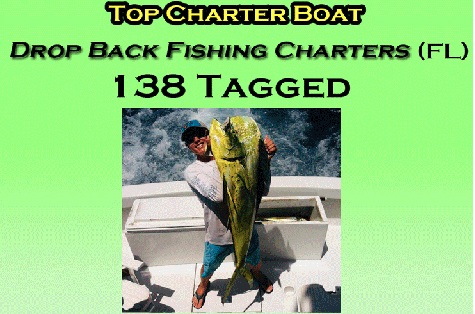
S.A.F.E. President Captain Jon Reynolds Named Top Charter Boat in 2025 DRP Tag & Release Awards
S.A.F.E. President Captain Jon Reynolds and Dropback Charters earned Top Charter Boat in the 2025 Dolphinfish Research Program awards with 138 mahi tagged and released.
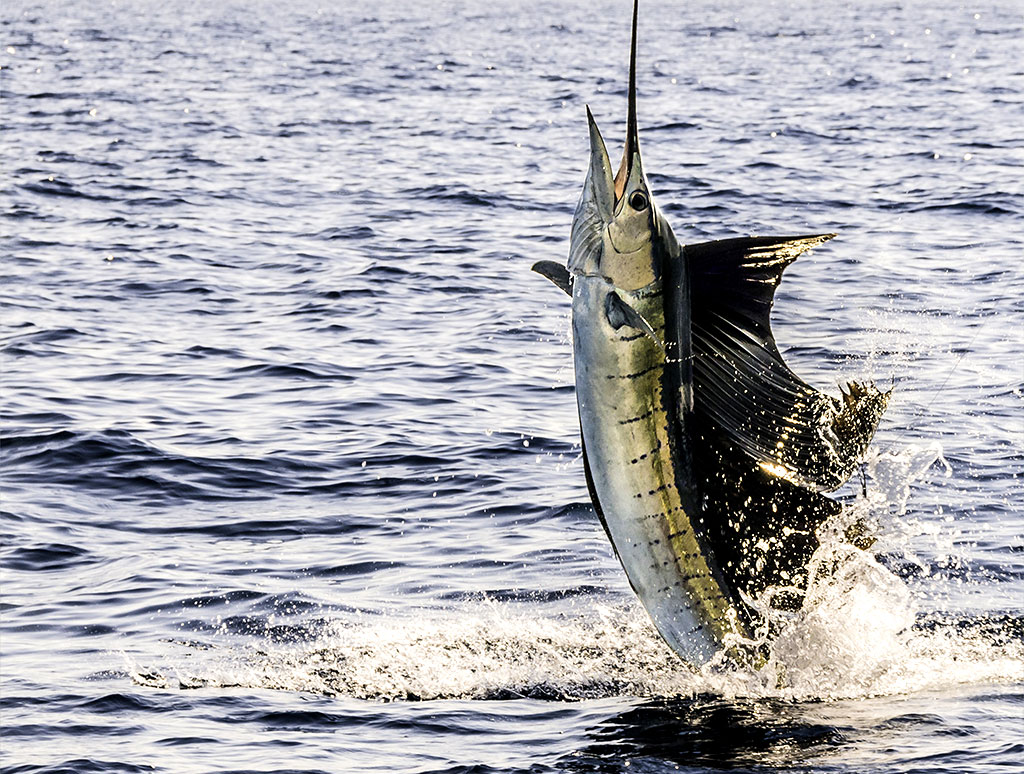
62nd Islamorada Sailfish Tournament Launches with Conservation Focus: Three Waters Resort as New Host
The historic Islamorada Sailfish Tournament enters its 62nd year with Three Waters Resort as new host, continuing its legacy as primary fundraiser for Islamorada Charter Boat Association's conservation mission.
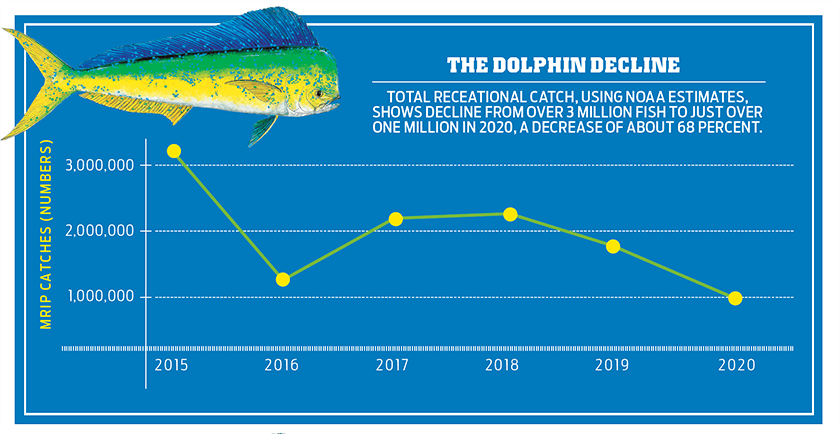
Historic Victory: Florida Adopts Stronger Mahi Regulations, Federal Review Underway
Florida implements proactive mahi conservation measures, reducing bag limits and calling for federal adoption of 2,000-pound commercial trip limits—a major victory for the Save the Mahi Mahi Campaign.
Join the Fight
Ready to take action? Become a S.A.F.E. member and help us protect the fisheries we love.