Florida Keys Sanctuary Council Meeting: Fishermen's Voices Heard on Critical Issues
🏝️ FLORIDA KEYS SANCTUARY COUNCIL MEETING: FISHERMEN'S VOICES HEARD ON CRITICAL ISSUES
April 21, 2021 - The Florida Keys National Marine Sanctuary Advisory Council held its quarterly meeting, bringing together fishermen, conservationists, scientists, and managers to address pressing issues facing one of America's most iconic marine ecosystems. The recently released minutes reveal robust discussions on everything from coral restoration to fishing access.
🏛️ ABOUT THE ADVISORY COUNCIL
Florida Keys National Marine Sanctuary Advisory Council
📋 Purpose:
- Provide advice on sanctuary operations and projects
- Represent diverse stakeholder interests
- Bridge communication between NOAA and community
- Review management plans and regulations
👥 Representation:
- Commercial fishing representatives
- Recreational fishing representatives
- Conservation organizations
- Scientific community
- Tourism industry
- Local government
- Public at-large members
🎯 KEY DISCUSSION TOPICS FROM THE APRIL MEETING
1. 🐠 CORAL RESTORATION UPDATE
The council received updates on ongoing coral restoration efforts:Staghorn Coral Outplanting:
Disease Response:
2. 💧 WATER QUALITY CONCERNS
Water quality emerged as a major concern:Nutrient Pollution:
Biscayne Bay Die-off:
3. 🎣 FISHING ACCESS AND REGULATIONS
Fishing representatives raised several issues:Closure Impacts:
Gear Regulations:
4. 🚤 BOATING AND ACCESS MANAGEMENT
With record numbers of boaters visiting the Keys:Mooring Buoy System:
Anchoring Regulations:
📊 S.A.F.E.'S PARTICIPATION AND POSITIONS
OUR REPRESENTATION
S.A.F.E. members participated both as council members and public commentators:Council Members Present:
Public Comments:
KEY ADVOCACY POINTS
#### 1. BALANCE CONSERVATION WITH ACCESS We advocated for:
#### 2. INVEST IN RESTORATION, NOT JUST RESTRICTION We emphasized:
#### 3. ADDRESS ROOT CAUSES, NOT SYMPTOMS We pushed for:
🏆 NOTABLE ACHIEVEMENTS DISCUSSED
CORAL RESTORATION MILESTONES
COMMUNITY ENGAGEMENT SUCCESSES
RESEARCH ADVANCES
🚨 CHALLENGES AND CONCERNS RAISED
FUNDING CONSTRAINTS
CAPACITY LIMITATIONS
CLIMATE CHANGE IMPACTS
📈 NEXT STEPS AND ACTION ITEMS
IMMEDIATE ACTIONS (0-6 MONTHS)
1. 📋 Finalize coral disease response plan 2. 🗺️ Complete anchoring zone mapping 3. 📊 Implement enhanced water quality monitoring 4. 🤝 Conduct stakeholder workshops on proposed regulationsMEDIUM-TERM GOALS (6-18 MONTHS)
1. 🏗️ Develop sustainable funding strategy 2. 🔬 Expand citizen science monitoring programs 3. 📚 Update sanctuary management plan 4. 🌊 Implement watershed improvement projectsLONG-TERM VISION (18+ MONTHS)
1. 🎯 Achieve coral restoration targets 2. 💧 Meet water quality standards 3. 🐟 Rebuild fish populations to sustainable levels 4. 🏆 Establish model for community-based management📄 OFFICIAL DOCUMENTS AND RESOURCES
Meeting Materials
🎯 HOW TO GET INVOLVED
FOR FISHERMEN:
1. 🎣 Join S.A.F.E.'s fishing committee to coordinate advocacy 2. 📝 Submit comments on proposed regulations 3. 📊 Participate in data collection programs 4. 🗣️ Attend council meetings (virtual options available)FOR CONSERVATIONISTS:
1. 🤝 Volunteer with coral restoration organizations 2. 📚 Educate others about sanctuary importance 3. 💵 Support restoration funding initiatives 4. 🔬 Participate in citizen science monitoringFOR ALL RESIDENTS AND VISITORS:
1. 📱 Follow sanctuary updates on social media 2. 🏛️ Attend public meetings and workshops 3. 📧 Subscribe to newsletters for alerts 4. 🌊 Practice responsible recreation in the sanctuary🤝 WHY THIS MATTERS FOR S.A.F.E.
The Florida Keys National Marine Sanctuary Advisory Council represents a critical forum where fishing voices can be heard in management decisions. By actively participating:
We Ensure:
We Prevent:
S.A.F.E. - South Atlantic Fishing Environmentalists Fishermen at the table for marine conservation decisions
Special recognition to all fishing representatives who dedicate their time to serving on advisory councils and committees. Your service ensures our voices are heard where it matters most.
🏆 FINAL THOUGHT
Advisory councils like the Florida Keys National Marine Sanctuary Advisory Council represent democracy in action for natural resource management. They bring together diverse perspectives—fishermen, scientists, conservationists, business owners—to find common ground on complex issues.
The April 2021 meeting minutes show both the challenges facing the Keys and the commitment of stakeholders to address them collaboratively. While disagreements exist, the process works because people show up, engage respectfully, and work toward solutions.
As fishermen, our seat at this table isn't a privilege—it's a responsibility. We owe it to future generations to participate actively, advocate passionately, and collaborate constructively in shaping the future of the fisheries and ecosystems we love.
"The best conservation happens when the people most affected by management decisions have a voice in making them."
Share This Story
More From S.A.F.E.
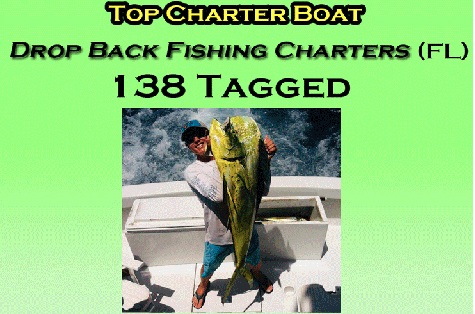
S.A.F.E. President Captain Jon Reynolds Named Top Charter Boat in 2025 DRP Tag & Release Awards
S.A.F.E. President Captain Jon Reynolds and Dropback Charters earned Top Charter Boat in the 2025 Dolphinfish Research Program awards with 138 mahi tagged and released.
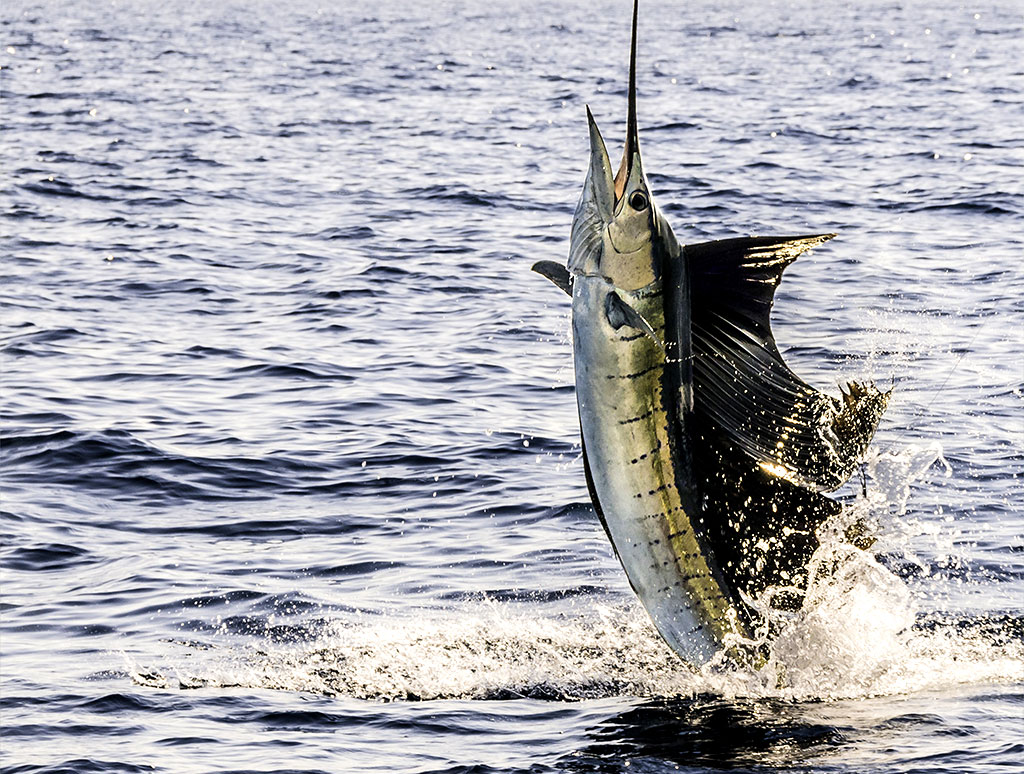
62nd Islamorada Sailfish Tournament Launches with Conservation Focus: Three Waters Resort as New Host
The historic Islamorada Sailfish Tournament enters its 62nd year with Three Waters Resort as new host, continuing its legacy as primary fundraiser for Islamorada Charter Boat Association's conservation mission.
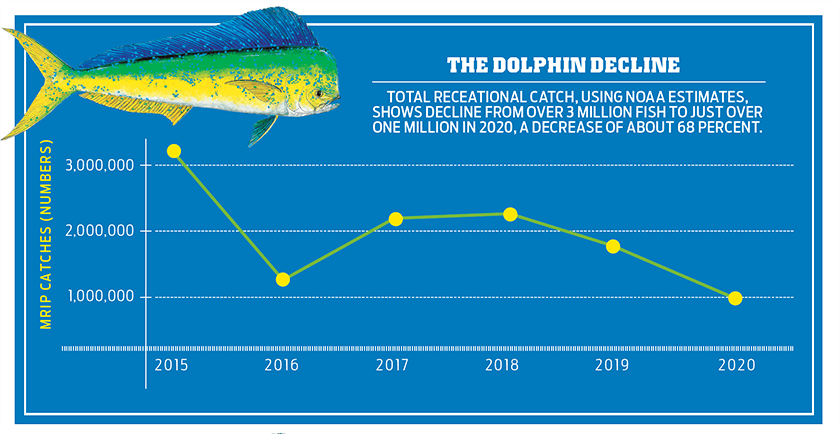
Historic Victory: Florida Adopts Stronger Mahi Regulations, Federal Review Underway
Florida implements proactive mahi conservation measures, reducing bag limits and calling for federal adoption of 2,000-pound commercial trip limits—a major victory for the Save the Mahi Mahi Campaign.
Join the Fight
Ready to take action? Become a S.A.F.E. member and help us protect the fisheries we love.