Where Are the Mahi? The Alarming Decline of South Atlantic Dolphinfish
🚨 WHERE ARE THE MAHI? THE ALARMING DECLINE OF SOUTH ATLANTIC DOLPHINFISH
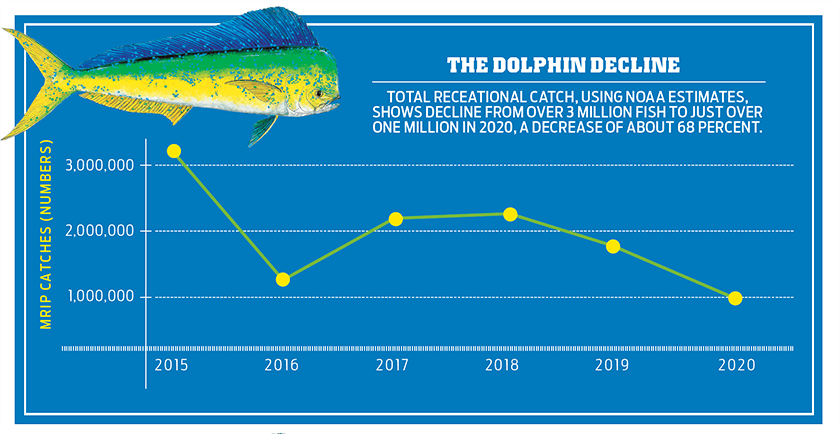
October 26, 2021 - From Islamorada to Jacksonville, Florida anglers are asking the same desperate question: "Where are the mahi?" The South Atlantic dolphinfish (mahi-mahi) fishery is experiencing a dramatic collapse, with both recreational and commercial catches plummeting. Despite overwhelming evidence and angler pleas, fishery managers are proposing woefully inadequate measures that fail to address the crisis.
📉 THE HARD DATA: A FISHERY IN FREE FALL
📊 FISHERY DECLINE METRICS
🎣 WHAT ANGLERS ARE SEEING
FROM ISLAMORADA TO JACKSONVILLE
- 📍 Islamorada: "The age-old tactic of leaving a hooked dolphin in the water to attract others may no longer work... if there aren't other dolphin in the water."
- 📍 Miami: Charter captains reporting season-long declines in catch rates
- 📍 Palm Beach: Tournament weights down significantly
- 📍 Jacksonville: Offshore fleets traveling farther for fewer fish
- 🐟 Breeding stock depletion: Large fish are critical for reproduction
- 📉 Tournament impacts: Championship weights cut in half
- 💰 Economic consequences: Charter business suffering
- 🔬 Scientific concern: Loss of genetic diversity
- 🚫 No daily catch limits for dolphin
- 📈 Dedicated longline fleet targeting dolphin specifically
- 📊 Growing landings despite population decline
- ⚖️ Regulatory failure: 3 attempts at limits since 2004
- 🎣 Recreational vessel limit: 60 fish → 54 fish (6 fish reduction)
- 🏭 Commercial limits: NO CHANGE (still unlimited)
- 📅 Implementation: 2022 (after 4+ years of work)
- 🎯 Expected impact: Minimal to none
- 📉 Drastic declines in recreational catches
- 📊 Commercial pressure increasing
- 🎣 Angler participation skyrocketing
- 🐟 Stock indicators all pointing downward
- 📈 Florida fishing licenses: Up 300,000 since 2018 (2,198,044 vs. 1,904,566)
- 🔄 COVID impact: More people taking up fishing
- 🚤 Boat sales: Record numbers of new offshore boats
- 🎣 Tournament growth: More events chasing fewer fish
- 🎯 Targeted longlining: No longer "bycatch" - dedicated dolphin fishery
- 📈 Technology advances: Better finding and catching efficiency
- 🌊 Expanded range: Fishing farther offshore
- 💰 Market demand: High prices driving increased effort
- 🌡️ Warming waters: Changing migration patterns
- 🌀 Storm frequency: Disrupting spawning aggregations
- 🌊 Current changes: Affecting larval transport
- 🔬 Unknown factors: Complex ecosystem interactions
- 📝 Coalition letters to South Atlantic Council and NMFS
- 🗣️ Public testimony at council meetings
- 📊 Data collection from our fishing members
- 🤝 Partnership building with other conservation groups
- 📰 Media outreach to raise public awareness
- 📍 Headquarters: Charleston, South Carolina
- 🎯 Jurisdiction: NC, SC, GA, east FL to Key West
- 🌊 Management area: 3-200 nautical miles (EEZ)
- 🐟 Species managed: Offshore fish stocks including dolphin
- 🏛️ Federal agency within NOAA
- 📜 Final approval authority for council actions
- 🔬 Scientific review of management measures
- ⚖️ Legal authority under Magnuson-Stevens Act
- 📧 Email: info@safmc.net
- 📞 Phone: (843) 571-4366
- 📍 Address: 4055 Faber Place Drive, Suite 201, Charleston, SC 29405
- 🌐 Website: safmc.net
- 📧 Public Comment: Marine@MyFWC.com
- 📞 Phone: (850) 487-0554
- 🌐 Website: MyFWC.com
- 📧 Southeast Region: SER.Communications@noaa.gov
- 📞 Phone: (727) 824-5301
- 🌐 Website: fisheries.noaa.gov
- 📝 Florida Sportsman petition has thousands of signatures
- 📈 Show managers the depth of public concern
- 🗳️ Every signature matters in demonstrating urgency
- 📧 Personalized emails are most effective
- 📞 Phone calls get attention
- 📝 Written letters still carry weight
- 🗣️ Public testimony at meetings (virtual options available)
- 📱 Share on social media with #SaveTheMahi
- 🎣 Talk to fellow anglers about the issue
- 📰 Contact local media to cover the story
- 🏢 Engage fishing businesses in advocacy
- 🎣 Release large breeders when possible
- 📊 Report your catches to improve data
- 🌊 Follow best practices for fish handling
- 🤝 Support sustainable charter operations
- 💰 $7.5+ billion annual economic impact in Florida
- 👥 100,000+ jobs in fishing-related industries
- 🏆 $50+ million in tournament purses annually
- 🚤 $1+ billion in boat and equipment sales
- 💰 $50+ million annual ex-vessel value
- 👥 5,000+ jobs in commercial sector
- 🍽️ Restaurant industry dependent on supply
- 🌊 Coastal communities economically tied to fishery
- 📉 Lost tourism revenue from charter fishing
- 🚤 Devalued boats and equipment
- 🏆 Ended tournaments and events
- 👥 Lost jobs throughout supply chain
- 💰 Billions in economic damage
THE "SLAMMER" DISAPPEARANCE
Most alarming is the disappearance of large "slammer" dolphin (fish over 20 pounds):🏭 THE COMMERCIAL PRESSURE: NO LIMITS, NO ACCOUNTABILITY
UNLIMITED COMMERCIAL HARVEST
The most shocking aspect of this crisis: Commercial boats have NO daily trip limits.Current Commercial Regulations:
FAILED REGULATORY ATTEMPTS
2004: Council passed 3,000-pound trip limit → NMFS rejected (called dolphin "bycatch") 2016: Council tried again → No action taken 2020: Council tried again → Still no limitsFormer Council Member Art Sapp (2018-2021): "We failed miserably."
🏛️ MANAGEMENT FAILURE: THE SOUTH ATLANTIC COUNCIL'S INACTION
AMENDMENT 10: TOO LITTLE, TOO LATE
The South Atlantic Fishery Management Council's response: Amendment 10Proposed Changes:
SCIENTIFIC CONCERNS IGNORED
Kevin Muench, PhD, Marine Fisheries: "I have noted fish declines especially in recent years. Mahi limits need to be at most 5 per person or 30 per vessel counting anglers."Council's Own Data Shows:
📈 THE PERFECT STORM: MULTIPLE PRESSURES CONVERGING
1. EXPLODING RECREATIONAL PRESSURE
2. COMMERCIAL INTENSIFICATION
3. ENVIRONMENTAL STRESSORS
🎯 WHAT ANGLERS ARE DEMANDING
IMMEDIATE ACTIONS NEEDED
1. 🏭 Commercial Trip Limits: 3,000-pound daily limit (as proposed in 2004) 2. 🎣 Reduced Recreational Limits: 30 fish per vessel maximum 3. 🐟 Size Protection: Minimum size limits to protect breeding stock 4. 📊 Better Data: Real-time monitoring of commercial landings 5. 🔄 Seasonal Closures: Spawning season protectionsLONG-TERM SOLUTIONS
1. 🔬 Stock Assessment: Comprehensive population study 2. 🌊 Ecosystem Management: Consider mahi in broader context 3. 🤝 Stakeholder Process: Meaningful angler involvement 4. 📈 Adaptive Management: Regular adjustments based on data🤝 S.A.F.E.'S POSITION AND ACTIONS
OUR ADVOCACY EFFORTS
KEY PRINCIPLES
1. ⚖️ Balance: Fair allocation between sectors 2. 🔬 Science: Data-driven management decisions 3. ⏰ Urgency: Immediate action to prevent collapse 4. 🤝 Inclusion: Meaningful stakeholder participation 5. 🔄 Adaptability: Regular review and adjustment📋 THE REGULATORY LANDSCAPE
SOUTH ATLANTIC FISHERY MANAGEMENT COUNCIL
NATIONAL MARINE FISHERIES SERVICE (NMFS)
📄 RESOURCES AND TAKE ACTION
🚨 TAKE ACTION NOW
📧 HOW TO CONTACT DECISION-MAKERS
SOUTH ATLANTIC COUNCIL MEMBERS
FLORIDA FWC COMMISSIONERS
NATIONAL MARINE FISHERIES SERVICE
🎯 IMMEDIATE STEPS YOU CAN TAKE
1. SIGN THE PETITION
2. CONTACT DECISION-MAKERS
3. SPREAD THE WORD
4. PRACTICE CONSERVATION
💰 THE ECONOMIC STAKES
RECREATIONAL VALUE
COMMERCIAL VALUE
THE COST OF COLLAPSE
If the mahi fishery collapses:S.A.F.E. - South Atlantic Fishing Environmentalists Fighting for sustainable fisheries before they collapse
Special thanks to Blair Wickstrom and Florida Sportsman for their investigative reporting that brought this crisis to light. Thanks to every angler who has spoken up, written letters, and demanded action. Your voices matter.
🚨 FINAL URGENT MESSAGE
The mahi-mahi fishery isn't just declining—it's crashing. And fishery managers aren't just moving slowly—they're proposing to do virtually nothing.
We've seen this movie before with other fisheries: Denial → Delay → Decline → Collapse → Closure → Decades of Recovery
We're at the "Delay" stage right now. Amendment 10's pathetic 6-fish reduction is management malpractice. It's rearranging deck chairs on the Titanic while ignoring the iceberg.
The science is clear. The data is alarming. The anglers are shouting. The solution is obvious.
Commercial trip limits. Reduced recreational catches. Protection of breeding stock. Immediate action.
This isn't about ending fishing—it's about saving fishing. This isn't about restricting access—it's about ensuring future access. This isn't about choosing sides—it's about choosing sustainability.
The mahi fishery can recover if we act now. But "now" is running out.
"When the fish are gone, the arguments about who should have caught them become academic. The only thing that matters is that no one catches them anymore."
Share This Story
More From S.A.F.E.
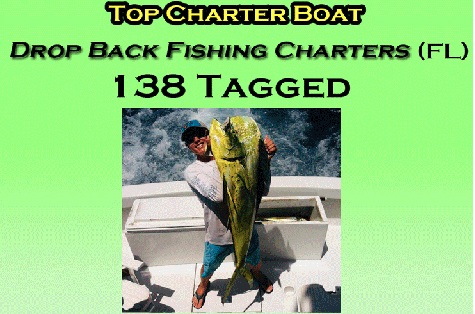
S.A.F.E. President Captain Jon Reynolds Named Top Charter Boat in 2025 DRP Tag & Release Awards
S.A.F.E. President Captain Jon Reynolds and Dropback Charters earned Top Charter Boat in the 2025 Dolphinfish Research Program awards with 138 mahi tagged and released.
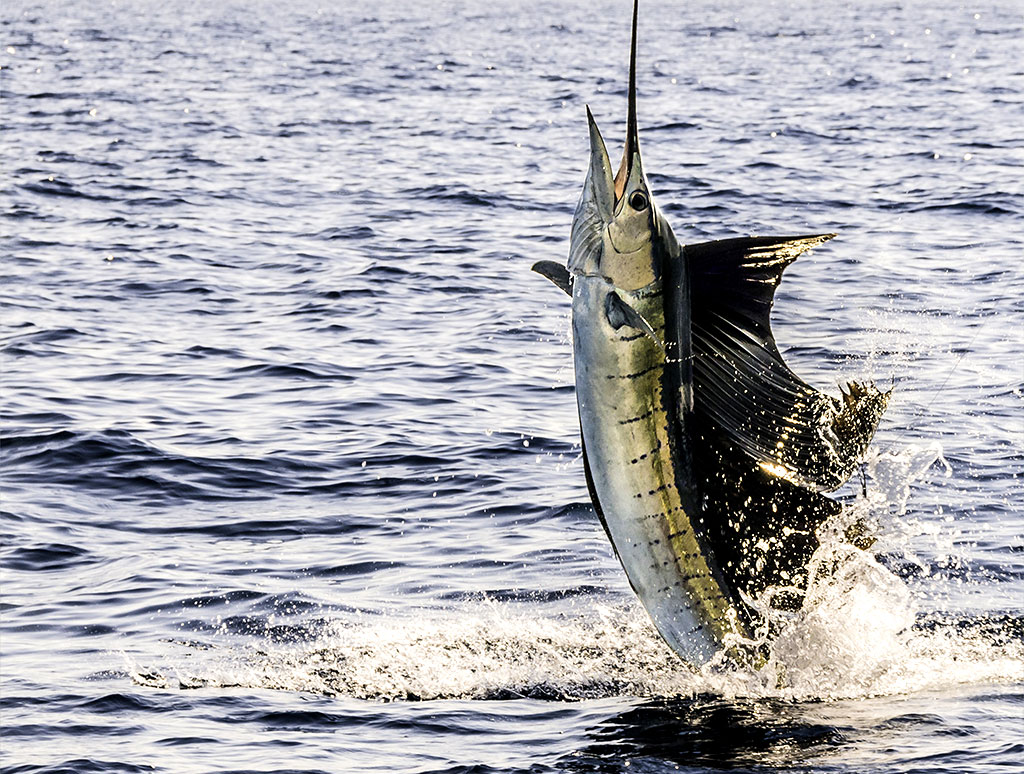
62nd Islamorada Sailfish Tournament Launches with Conservation Focus: Three Waters Resort as New Host
The historic Islamorada Sailfish Tournament enters its 62nd year with Three Waters Resort as new host, continuing its legacy as primary fundraiser for Islamorada Charter Boat Association's conservation mission.
Historic Victory: Florida Adopts Stronger Mahi Regulations, Federal Review Underway
Florida implements proactive mahi conservation measures, reducing bag limits and calling for federal adoption of 2,000-pound commercial trip limits—a major victory for the Save the Mahi Mahi Campaign.
Join the Fight
Ready to take action? Become a S.A.F.E. member and help us protect the fisheries we love.