Public Speaks: 15,000+ Comments Demand Science-Based Chub Mackerel Management
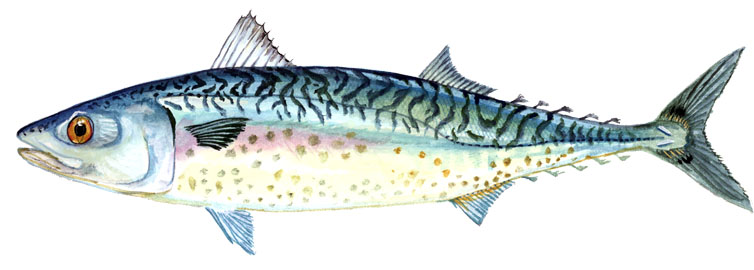
🎣 PUBLIC SPEAKS: 15,000+ COMMENTS DEMAND SCIENCE-BASED CHUB MACKEREL MANAGEMENT
January 1, 2022 - The Mid-Atlantic Fishery Management Council (MAFMC) has released its summary of public comments on the Chub Mackerel Amendment, and the message from fishermen, conservationists, and the public is clear: manage chub mackerel as part of the fishery management plan.
With over 15,000 public comments submitted, this represents one of the largest public responses to a fisheries management issue in recent years.
📊 THE NUMBERS DON'T LIE
🎯 WHAT THE PUBLIC IS SAYING
OVERWHELMING SUPPORT FOR ALTERNATIVE 2
The public comments show near-unanimous support for Alternative 2: Including Atlantic chub mackerel in the Mackerel, Squid, and Butterfish (MSB) Fishery Management Plan (FMP).Who supports this approach:
- ✅ Conservation organizations (including S.A.F.E.)
- ✅ Commercial fishermen
- ✅ Recreational anglers
- ✅ Fishing industry groups
- ✅ Scientific community
- ✅ General public
- 🎣 Important forage fish for tuna, billfish, sharks, and dolphins
- 🔄 Key mid-trophic level species in the food web
- 🌡️ Climate change indicators - their range is expanding northward
- 💰 Valuable commercial species for bait and human consumption
- Commercial landings: Approximately 10-15 million pounds annually
- Primary uses: Bait for tuna/lobster fisheries, canned products
- Geographic range: Nova Scotia to Florida, expanding north with warming waters
- Management history: Previously unmanaged at the federal level
- Prevents boom-and-bust cycles
- Maintains stable fishing communities
- Protects ecosystem function
- Regular stock assessments
- Improved data collection
- Transparent decision-making
- Scientific peer review
- Bluefin tuna - already struggling
- Dolphins and whales
- Seabirds - terns, gannets, shearwaters
- Other commercially important species
- Tracks distribution changes
- Adapts to shifting populations
- Prevents conflicts between regions
- Virtual hearings accessible nationwide
- Written comment period extended due to high interest
- Stakeholder meetings with industry and conservation groups
- Clear documentation of all comments received
- Fishermen who depend on sustainable stocks
- Business owners in coastal communities
- Scientists who understand the ecosystem
- Conservationists fighting for marine health
- Concerned citizens who value our oceans
- Atlantic menhaden - 88% population decline before management
- New England groundfish - Multiple stock collapses
- Bluefin tuna - Still recovering from overfishing
- Monitor the amendment process
- Advocate for science-based measures
- Engage our membership in future comment periods
- Hold managers accountable for implementation
- Agencies provide clear information
- Multiple comment avenues exist
- Stakeholders are genuinely heard
- Science guides decision-making
- Why fisheries management matters
- How public comments influence decisions
- What's at stake for our oceans
WHY ALTERNATIVE 2 MATTERS
Including chub mackerel in the MSB FMP means:1. 📈 Science-Based Management: Annual catch limits based on stock assessments 2. 🛡️ Conservation Protections: Rebuilding plans if populations decline 3. 📊 Data Collection: Improved monitoring and reporting 4. ⚖️ Fair Allocation: Equitable distribution between commercial and recreational sectors 5. 🌊 Ecosystem Approach: Management that considers predator-prey relationships
🐟 WHY CHUB MACKEREL MATTERS
THE ECOSYSTEM ROLE
Chub mackerel (Scomber colias) are:THE FISHERY CONTEXT
📝 S.A.F.E.'S POSITION
As part of the conservation coalition, S.A.F.E. submitted comments supporting Alternative 2 for these key reasons:
1. PREVENT OVERFISHING BEFORE IT HAPPENS
History shows that waiting until a fishery collapses is disastrous. Proactive management:2. SUPPORT DATA-DRIVEN DECISIONS
Inclusion in the FMP requires:3. PROTECT THE FOOD WEB
Chub mackerel are critical prey for:4. ADAPT TO CLIMATE CHANGE
As waters warm, chub mackerel are expanding northward. Proper management:🗳️ THE PUBLIC PROCESS WORKED
FIVE PUBLIC HEARINGS HELD
The MAFMC conducted extensive public outreach:UNPRECEDENTED ENGAGEMENT
The 15,000+ comments represent:🚨 WHAT HAPPENS WITHOUT MANAGEMENT
THE "GOLD RUSH" SCENARIO
Unmanaged fisheries often follow this pattern: 1. Discovery - New market or technology makes fishing profitable 2. Rush - Fleets expand rapidly with no limits 3. Peak - Maximum catch followed by rapid decline 4. Collapse - Stock crashes, fishery closes 5. Recovery - Decades-long rebuilding (if it happens at all)RECENT EXAMPLES
📈 THE PATH FORWARD
NEXT STEPS IN THE PROCESS
1. MAFMC review of public comments (completed) 2. Final amendment development incorporating public input 3. Council vote on the amended proposal 4. NOAA Fisheries review and implementation 5. Monitoring and adjustment based on new dataS.A.F.E.'S CONTINUED INVOLVEMENT
We will:🤝 A MODEL FOR FISHERIES MANAGEMENT
This process demonstrates that public engagement works. When:
...we get better fisheries management that serves both ecosystems and economies.
📄 RESOURCES & DOCUMENTS
Official Documents
🎯 TAKE ACTION
STAY INFORMED
1. 📰 Subscribe to MAFMC updates at mafmc.org 2. 📧 Join S.A.F.E.'s newsletter for conservation alerts 3. 📱 Follow NOAA Fisheries for regulatory announcementsGET INVOLVED
1. 🤝 Become a S.A.F.E. member to amplify your voice 2. 🗣️ Participate in future public comment periods 3. 📊 Attend fishery management council meetings (virtual options available) 4. 🎣 Report your chub mackerel catches to improve dataSPREAD THE WORD
Share this article to help others understand:S.A.F.E. - South Atlantic Fishing Environmentalists Fishermen fighting for sustainable fisheries
Special thanks to the 15,000+ individuals and organizations who participated in this public comment process. Your voices made a difference.
📢 FINAL THOUGHT
The overwhelming public support for science-based chub mackerel management sends a powerful message: Americans care about their oceans and want them managed responsibly.
This isn't about restricting fishing—it's about ensuring our grandchildren can enjoy the same fishing opportunities we have today. It's about recognizing that healthy fisheries depend on healthy ecosystems, and healthy ecosystems depend on proactive, science-based management.
The public has spoken. Now it's time for managers to listen.
"The best time to manage a fishery is before it needs managing. The second-best time is now."
Share This Story
More From S.A.F.E.
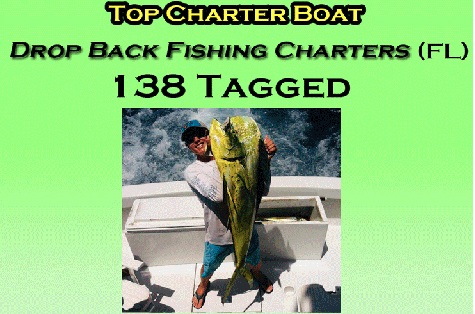
S.A.F.E. President Captain Jon Reynolds Named Top Charter Boat in 2025 DRP Tag & Release Awards
S.A.F.E. President Captain Jon Reynolds and Dropback Charters earned Top Charter Boat in the 2025 Dolphinfish Research Program awards with 138 mahi tagged and released.
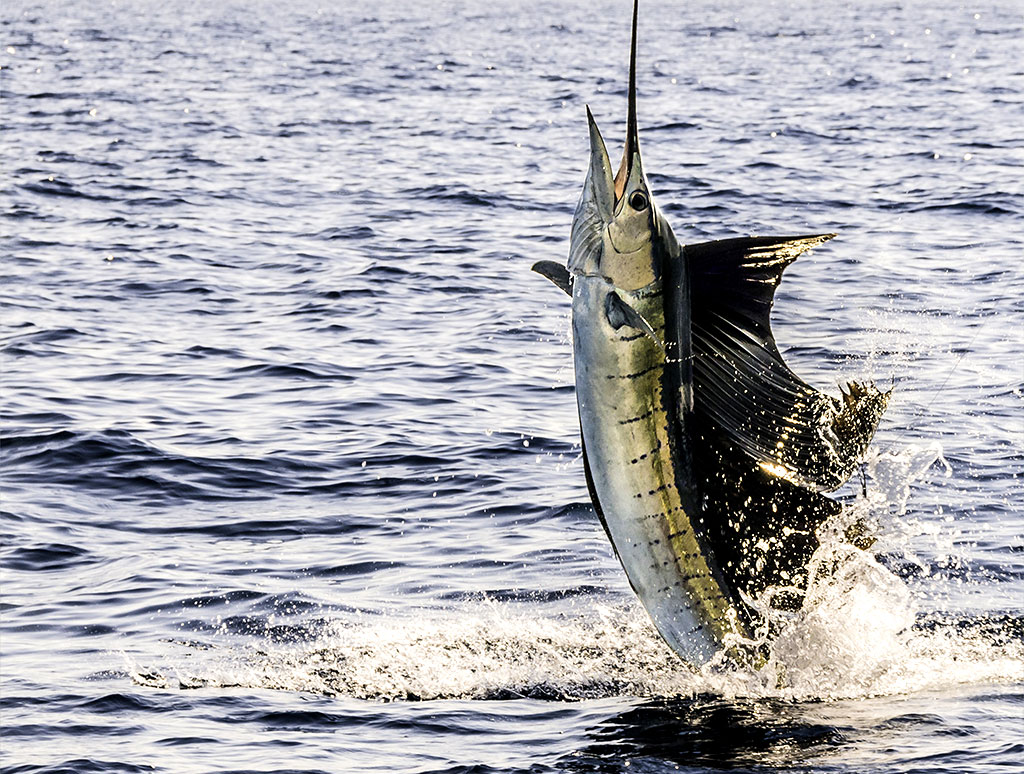
62nd Islamorada Sailfish Tournament Launches with Conservation Focus: Three Waters Resort as New Host
The historic Islamorada Sailfish Tournament enters its 62nd year with Three Waters Resort as new host, continuing its legacy as primary fundraiser for Islamorada Charter Boat Association's conservation mission.
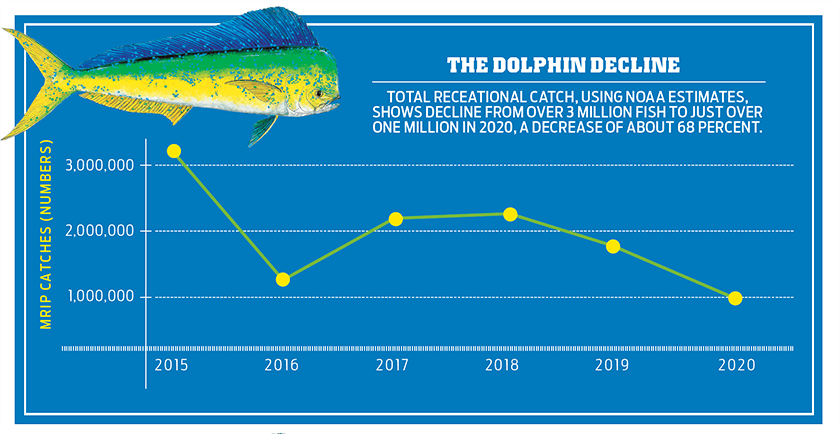
Historic Victory: Florida Adopts Stronger Mahi Regulations, Federal Review Underway
Florida implements proactive mahi conservation measures, reducing bag limits and calling for federal adoption of 2,000-pound commercial trip limits—a major victory for the Save the Mahi Mahi Campaign.
Join the Fight
Ready to take action? Become a S.A.F.E. member and help us protect the fisheries we love.