FWC Announces Major Rule Changes for Four Keys Species: Mahi Limits Slashed 50%
🏛️ FWC ANNOUNCES MAJOR RULE CHANGES FOR FOUR KEYS SPECIES: MAHI LIMITS SLASHED 50%
May 17, 2022 - In a landmark conservation decision, the Florida Fish and Wildlife Conservation Commission (FWC) has implemented sweeping regulatory changes for four key species harvested in Florida Keys waters. The most significant change: a 50% reduction in mahi-mahi bag limits, representing one of the most aggressive conservation measures in recent Florida fishing history.
📜 THE FOUR SPECIES: COMPREHENSIVE CONSERVATION MEASURES
📊 FWC REGULATORY CHANGES - EFFECTIVE MAY-JULY 2022
🐟 DOLPHINFISH (MAHI-MAHI)
🐠 BLUELINE TILEFISH
🐡 COBIA
🎣 REDFISH
🎯 THE MAHI-MAHI DECISION: A BOLD CONSERVATION STAND
HISTORIC 50% REDUCTION
The mahi-mahi regulations represent the most significant change:- 📅 Effective May 1, 2022: Immediate implementation
- 🎣 Per angler limit: 10 → 5 fish (50% reduction)
- 🚤 Per vessel limit: 60 → 30 fish (50% reduction)
- 🌊 Applicable waters: Atlantic state waters (shore to 3 nautical miles)
- 🎯 Conservation goal: Prevent overfishing of declining stocks
- 📊 Stock assessment data showing declining populations
- 🎣 Angler reports of reduced catch rates
- 🔬 Scientific research on spawning patterns
- 💰 Economic analysis of fishery sustainability
- 🤝 Stakeholder input from fishing community
- 📝 Public comments supporting stronger regulations
- 📊 Data submission from fishing community experiences
- 🤝 Coalition building with other conservation groups
- 🗣️ Testimony at meetings emphasizing urgency
- 📰 Media engagement to build public support
- 📅 Normal season: May 1 - August 31 (4 months)
- 📅 2022 season: May 1 - July 26 (2.8 months)
- 🎯 Purpose: Match federal season to prevent overfishing
- 🔬 Scientific basis: Stock assessment showing vulnerability
- 🌊 Waters affected: Atlantic state and federal waters
- 🐟 Slow growth rate makes population recovery difficult
- 🌊 Deep-water habitat limits reproductive capacity
- 🎣 Popular target for both recreational and commercial sectors
- 📈 Increased pressure from growing fishing participation
- 🌡️ Climate impacts affecting deep-water ecosystems
- 📏 Size limit increase: 33 → 36 inches (fork length)
- 🎣 Commercial limit: 2 → 1 fish per harvester daily
- 🚤 Vessel limit: 6 → 2 fish per vessel daily
- 🌊 Waters affected: Atlantic state waters
- 🤝 Alignment: Matches pending federal regulations
- 📉 Overfished status confirmed by recent assessment
- 🐟 Reproductive concerns for breeding stock
- 💰 Economic importance as prized game fish
- 🌊 Ecosystem role as apex predator
- 📈 Recovery need for sustainable future harvests
- 📍 Regional divisions based on biological characteristics
- 🔬 Stock-specific assessments for each region
- 🔄 Adaptive management based on monitoring
- 🤝 Stakeholder involvement in decision-making
- 📊 Data-driven regulations tailored to local conditions
- 🐟 Maintain healthy populations across Florida
- 🎣 Ensure sustainable harvest for all user groups
- 🌊 Protect genetic diversity through regional management
- 📈 Support ecosystem health through balanced regulations
- 💰 Preserve economic value of redfish fisheries
- 🔬 Following scientific recommendations on stock status
- ⏰ Acting proactively before crisis levels are reached
- 🤝 Engaging stakeholders in the decision process
- 🌊 Considering ecosystem impacts beyond single species
- 💰 Balancing conservation with economic considerations
- 🏭 Commercial trip limits for mahi-mahi (still unlimited)
- 📊 Enhanced monitoring of regulation effectiveness
- 🔬 Regular stock assessments for all managed species
- 🤝 Meaningful stakeholder participation in future decisions
- 🔄 Adaptive management based on real-time data
- 🚤 Lead by example in adopting new regulations
- 📚 Educate clients about conservation importance
- 📊 Collect data to improve future management
- 🤝 Build partnerships with conservation organizations
- 🏆 Demonstrate that conservation supports sustainable businesses
- 📱 Fish Rules app with real-time regulation updates
- 🌐 MyFWC.com/marine comprehensive online resources
- 📚 Educational materials for anglers and businesses
- 🤝 Partnership programs with fishing organizations
- 📰 Media campaigns to raise awareness
- 👮 Increased patrols during transition period
- 📱 Technology integration for compliance monitoring
- 🤝 Community-based approaches to enforcement
- 📊 Data collection on regulation effectiveness
- 🔄 Adaptive adjustments based on compliance rates
- 🎣 Reduced catch limits may affect charter trip planning
- 💰 Potential economic impact on fishing-dependent businesses
- 👥 Industry adaptation to new regulatory environment
- 📈 Quality over quantity shift in business models
- 🤝 Client education about conservation necessity
- 🐟 Healthier fish populations for future generations
- 💰 Sustainable economic base for fishing communities
- 🏆 Enhanced reputation as conservation leaders
- 🌊 Resilient ecosystems supporting multiple species
- 👶 Legacy preservation of Florida Keys fishing culture
SCIENTIFIC BASIS FOR ACTION
The FWC decision was informed by:S.A.F.E.'S ADVOCACY ROLE
S.A.F.E. played a key role in advocating for these changes:🐠 BLUELINE TILEFISH: SHORTENED SEASON FOR SUSTAINABILITY
SEASON MODIFICATION DETAILS
CONSERVATION RATIONALE
Blueline tilefish are particularly vulnerable because:🐡 COBIA: COMPREHENSIVE PROTECTION MEASURES
MULTI-FACETED REGULATORY CHANGES
Effective July 1, 2022:STOCK ASSESSMENT FINDINGS
The FWC action was prompted by:🎣 REDFISH: REGIONAL MANAGEMENT APPROACH
NEW MANAGEMENT FRAMEWORK
CONSERVATION OBJECTIVES
🤝 S.A.F.E.'S PERSPECTIVE ON THE REGULATORY CHANGES
SUPPORT FOR SCIENCE-BASED MANAGEMENT
We commend FWC for:AREAS FOR CONTINUED ADVOCACY
While celebrating these victories, we continue to advocate for:INDUSTRY LEADERSHIP OPPORTUNITY
The fishing community can:📊 IMPLEMENTATION AND COMPLIANCE
EDUCATION AND OUTREACH
FWC is implementing:ENFORCEMENT CONSIDERATIONS
💰 ECONOMIC AND SOCIAL IMPACTS
SHORT-TERM ADJUSTMENTS
LONG-TERM BENEFITS
🎯 NEXT STEPS FOR CONSERVATION ADVOCACY
IMMEDIATE PRIORITIES
1. 📊 Monitor implementation of new regulations 2. 🤝 Support angler education about changes 3. 📈 Collect data on regulation impacts 4. 🗣️ Continue advocacy for commercial limits 5. 🌊 Build broader conservation coalitionsMEDIUM-TERM GOALS
1. 🔬 Support research on regulation effectiveness 2. 💰 Develop economic models for sustainable fishing 3. 🤝 Strengthen partnerships with regulatory agencies 4. 📰 Amplify conservation message through media 5. 🏛️ Engage in future regulatory processesLONG-TERM VISION
1. 🐟 Recovered fish populations across all managed species 2. 💰 Thriving fishing economy based on sustainability 3. 🌊 Healthy marine ecosystems supporting biodiversity 4. 🤝 Collaborative management models for fisheries 5. 👶 Preserved fishing heritage for future generations📄 RESOURCES AND FURTHER INFORMATION
Official FWC Resources
🎯 HOW TO SUPPORT CONSERVATION EFFORTS
FOR ANGLERS AND CHARTER OPERATORS:
1. 📚 Learn the new regulations and ensure compliance 2. 📊 Report your catches to improve data collection 3. 🤝 Educate clients and fellow anglers about conservation 4. 💰 Support sustainable business practices 5. 🗣️ Participate in regulatory processes through public commentFOR CONSERVATION ORGANIZATIONS:
1. 🤝 Partner with fishing communities on education 2. 📊 Support research on regulation effectiveness 3. 📰 Amplify conservation successes through media 4. 💰 Fund monitoring programs for managed species 5. 🏛️ Engage in regulatory advocacy at all levelsFOR THE BROADER COMMUNITY:
1. 🌊 Support marine conservation through advocacy 2. 💰 Choose sustainable seafood and fishing operations 3. 📚 Educate others about fishery management importance 4. 🤝 Build bridges between conservation and fishing communities 5. 👶 Invest in future generations through conservation educationS.A.F.E. - South Atlantic Fishing Environmentalists Turning advocacy into regulatory action for sustainable fisheries
Special thanks to the Florida Fish and Wildlife Conservation Commission for their science-based approach to fishery management, and to all anglers and conservationists who advocated for these important rule changes.
Share This Story
More From S.A.F.E.
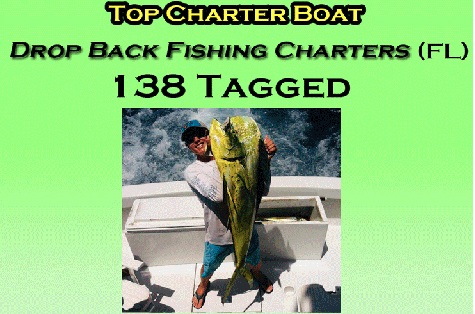
S.A.F.E. President Captain Jon Reynolds Named Top Charter Boat in 2025 DRP Tag & Release Awards
S.A.F.E. President Captain Jon Reynolds and Dropback Charters earned Top Charter Boat in the 2025 Dolphinfish Research Program awards with 138 mahi tagged and released.
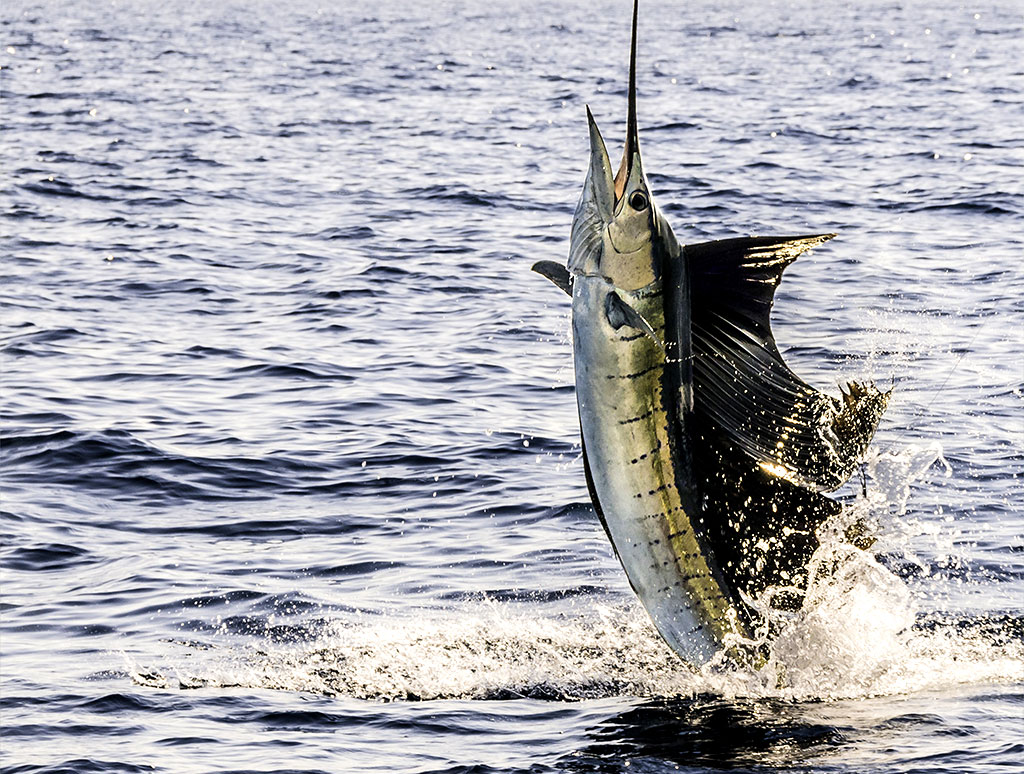
62nd Islamorada Sailfish Tournament Launches with Conservation Focus: Three Waters Resort as New Host
The historic Islamorada Sailfish Tournament enters its 62nd year with Three Waters Resort as new host, continuing its legacy as primary fundraiser for Islamorada Charter Boat Association's conservation mission.
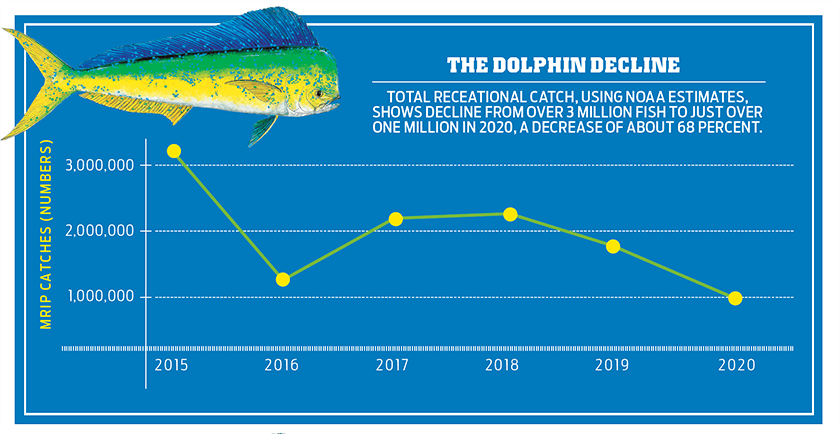
Historic Victory: Florida Adopts Stronger Mahi Regulations, Federal Review Underway
Florida implements proactive mahi conservation measures, reducing bag limits and calling for federal adoption of 2,000-pound commercial trip limits—a major victory for the Save the Mahi Mahi Campaign.
Join the Fight
Ready to take action? Become a S.A.F.E. member and help us protect the fisheries we love.