Historic Victory: Ecological Reference Points Finally Implemented for Atlantic Menhaden
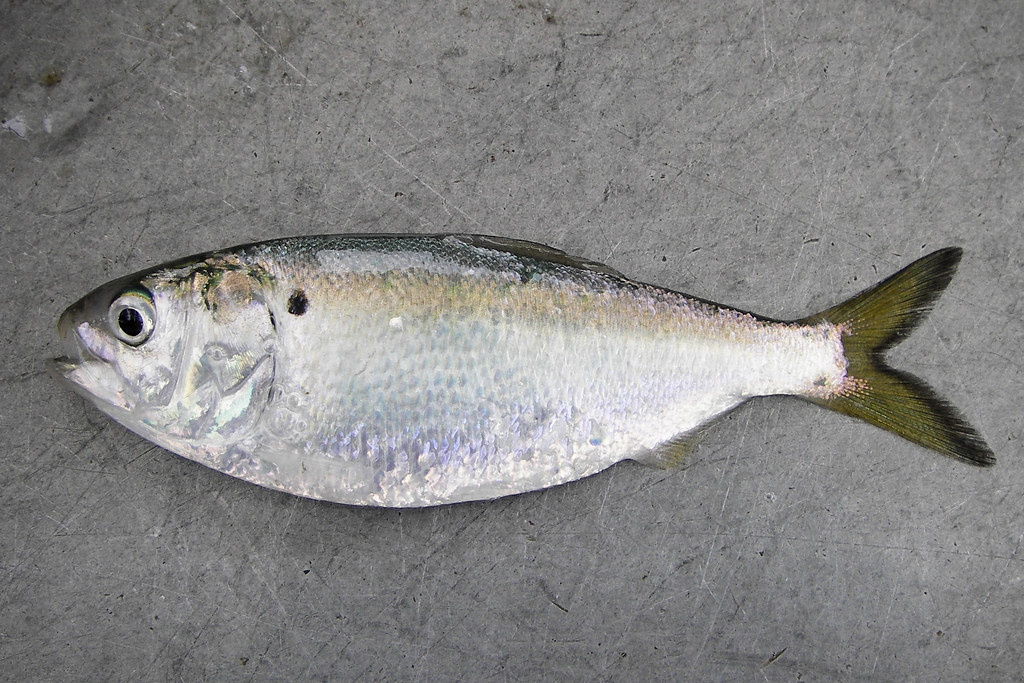
🏆 HISTORIC VICTORY: ECOLOGICAL REFERENCE POINTS FINALLY IMPLEMENTED FOR ATLANTIC MENHADEN
August 15, 2022 - In a landmark decision that represents a fundamental shift in fisheries management, the Atlantic States Marine Fisheries Commission (ASMFC) has officially implemented Ecological Reference Points (ERPs) for Atlantic menhaden management. This victory comes after years of advocacy by S.A.F.E. and our conservation partners, and marks the first time a major U.S. fishery will be managed based on its role in the ecosystem rather than just as a single species.
🎯 WHAT ARE ECOLOGICAL REFERENCE POINTS?
Traditional vs. Ecological Management
🎣 TRADITIONAL MANAGEMENT
- Single-species focus: Manages fish in isolation
- Maximum Sustainable Yield (MSY): Maximizes catch
- Ignores ecosystem: Doesn't consider predator needs
- Reactive: Responds to problems after they occur
- Short-term: Focuses on annual harvest
🌊 ECOLOGICAL REFERENCE POINTS
- Ecosystem focus: Manages fish as part of food web
- Optimal Yield: Balances harvest with ecosystem needs
- Considers predators: Ensures enough forage for wildlife
- Proactive: Prevents problems before they occur
- Long-term: Focuses on ecosystem health
📊 THE SCIENCE BEHIND ERPs
KEY FINDINGS FROM THE 2022 ASSESSMENT
The implementation of ERPs is based on groundbreaking scientific work:Striped Bass Focus:
Statistical Models:
Management Targets:
🗓️ THE LONG ROAD TO VICTORY
2017: THE FIGHT BEGINS
Our first blog post documented S.A.F.E.'s participation in the 2017 coalition letter demanding ERPs. At that time:2020: BREAKTHROUGH DECISION
The ASMFC voted to approve ERPs in principle, but implementation was delayed:2022: FINAL IMPLEMENTATION
The August 2022 decision makes ERPs operational management tools:🎯 WHAT THE ERPs MEAN FOR MENHADEN MANAGEMENT
NEW MANAGEMENT TARGETS
Under the ERP framework:Fecundity Reference Points:
Fishing Mortality Reference Points:
ECOSYSTEM BUFFER
The ERPs include a 15% buffer above the striped bass needs to account for:ADAPTIVE MANAGEMENT
ERPs establish a framework for ongoing adjustment:🏆 S.A.F.E.'S ROLE IN THIS VICTORY
YEARS OF ADVOCACY
SCIENTIFIC CONTRIBUTIONS
POLITICAL ENGAGEMENT
🌊 WHY THIS MATTERS BEYOND MENHADEN
PRECEDENT FOR OTHER FISHERIES
The menhaden ERP implementation creates a model for ecosystem-based management that can be applied to:Other Forage Species:
Predator Species Management:
CLIMATE CHANGE ADAPTATION
ERPs provide tools for managing fisheries in a changing climate:ECONOMIC BENEFITS
Healthy ecosystems support robust economies:📈 IMMEDIATE IMPACTS AND NEXT STEPS
2023 FISHING SEASON
With ERPs now implemented:LONG-TERM MANAGEMENT VISION
The ERP framework sets the stage for:CONTINUED ADVOCACY NEEDS
While this is a major victory, our work continues:📄 RESOURCES AND FURTHER READING
Official Documents and Resources
🎯 HOW YOU CAN HELP
STAY INFORMED
1. 📰 Subscribe to S.A.F.E. updates for conservation alerts 2. 📅 Follow ASMFC meetings (virtual attendance available) 3. 📊 Review stock assessments as they're released 4. 🔬 Learn about ecosystem science behind managementGET INVOLVED
1. 🤝 Become a S.A.F.E. member to amplify conservation voice 2. 🗣️ Submit comments on future management actions 3. 📱 Share this victory on social media to build support 4. 💵 Support conservation science through donationsPRACTICE STEWARDSHIP
1. 🎣 Practice sustainable fishing methods 2. 📊 Report your catches to improve data 3. 🌊 Support clean water initiatives in your community 4. 📚 Educate others about ecosystem importanceS.A.F.E. - South Atlantic Fishing Environmentalists Turning conservation advocacy into real-world results
This victory belongs to every S.A.F.E. member, partner organization, scientist, commissioner, and concerned citizen who fought for years to make ecosystem-based management a reality. Your persistence made this happen.
🏆 FINAL REFLECTION
The implementation of Ecological Reference Points for Atlantic menhaden represents more than just a policy change—it represents a philosophical shift in how we value and manage our marine resources.
For decades, fisheries management asked: "How many fish can we take?" With ERPs, we now ask: "How many fish need to stay?"
This shift from extraction to stewardship, from single-species to ecosystem thinking, from short-term gain to long-term sustainability—this is what conservation looks like when it works.
The menhaden ERP victory proves that persistent, science-based advocacy can change systems. It proves that fishermen and conservationists can find common ground. It proves that good science can inform good policy.
But perhaps most importantly, it proves that when we fight for the little fish, we're fighting for the whole ocean.
"The menhaden victory isn't just about saving one species—it's about saving the way we think about all species."
Share This Story
More From S.A.F.E.
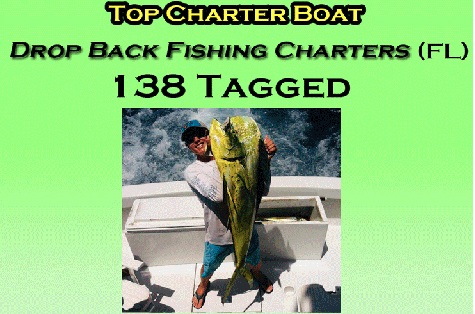
S.A.F.E. President Captain Jon Reynolds Named Top Charter Boat in 2025 DRP Tag & Release Awards
S.A.F.E. President Captain Jon Reynolds and Dropback Charters earned Top Charter Boat in the 2025 Dolphinfish Research Program awards with 138 mahi tagged and released.

62nd Islamorada Sailfish Tournament Launches with Conservation Focus: Three Waters Resort as New Host
The historic Islamorada Sailfish Tournament enters its 62nd year with Three Waters Resort as new host, continuing its legacy as primary fundraiser for Islamorada Charter Boat Association's conservation mission.
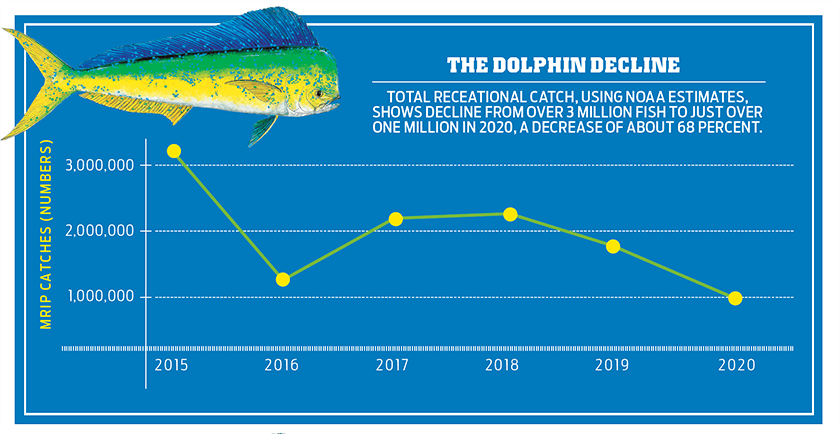
Historic Victory: Florida Adopts Stronger Mahi Regulations, Federal Review Underway
Florida implements proactive mahi conservation measures, reducing bag limits and calling for federal adoption of 2,000-pound commercial trip limits—a major victory for the Save the Mahi Mahi Campaign.
Join the Fight
Ready to take action? Become a S.A.F.E. member and help us protect the fisheries we love.