S.A.F.E. Submits Comprehensive Public Input to South Atlantic Fishery Management Council
📝 S.A.F.E. SUBMITS COMPREHENSIVE PUBLIC INPUT TO SOUTH ATLANTIC FISHERY MANAGEMENT COUNCIL
September 22, 2022 - S.A.F.E. has submitted extensive public comments to the South Atlantic Fishery Management Council (SAFMC), providing detailed recommendations on multiple fishery management issues affecting Southeast coastal communities. The submission represents months of research, member input, and scientific analysis aimed at ensuring sustainable fisheries for future generations.
🏛️ ABOUT THE SOUTH ATLANTIC FISHERY MANAGEMENT COUNCIL
South Atlantic Fishery Management Council
🎯 Mission:
To conserve and manage fishery resources from 3 to 200 nautical miles off the coasts of North Carolina, South Carolina, Georgia, and east Florida to Key West.
📋 Key Responsibilities:
- Develop Fishery Management Plans (FMPs)
- Set annual catch limits and allocations
- Establish size and bag limits
- Designate essential fish habitat
- Implement seasonal closures
🌊 Managed Species:
📍 Headquarters:
4055 Faber Place Drive, Suite 201
Charleston, SC 29405
📋 S.A.F.E.'S PUBLIC INPUT: KEY RECOMMENDATIONS
1. 🐟 DOLPHIN-WAHOO FISHERY MANAGEMENT
Current Crisis: As documented in our previous reports, the dolphin (mahi-mahi) fishery is experiencing dramatic declines.
Our Recommendations:
Scientific Basis:
2. 🎣 SNAPPER-GROUPER COMPLEX AMENDMENTS
Background: The snapper-grouper complex includes over 73 species managed under a single Fishery Management Plan.
Our Recommendations:
Red Snapper Management:
Gag Grouper Conservation:
Multi-Species Considerations:
3. 🦈 SHARK CONSERVATION MEASURES
Background: Several shark species are experiencing population declines.
Our Recommendations:
4. 🦀 SHRIMP FISHERY SUSTAINABILITY
Background: Shrimp trawling can impact bycatch species.
Our Recommendations:
📊 THE PUBLIC INPUT PROCESS
HOW PUBLIC COMMENTS WORK
1. 📅 Council announces proposed actions or amendments 2. 📝 Public comment period opens (typically 30-90 days) 3. 🤝 Stakeholders submit written comments, attend hearings 4. 👥 Council staff review and summarize all input 5. 🏛️ Council considers public comments in decision-making 6. 📜 Final regulations developed and implementedWHY PUBLIC INPUT MATTERS
S.A.F.E.'S APPROACH TO PUBLIC COMMENTS
📈 DATA AND EVIDENCE PROVIDED
FISHING COMMUNITY SURVEYS
S.A.F.E. conducted surveys of our membership to gather data on:ECONOMIC IMPACT ANALYSIS
Our submission included analysis of:SCIENTIFIC REFERENCES
We cited numerous scientific studies including:🤝 COLLABORATION WITH OTHER ORGANIZATIONS
COALITION BUILDING
S.A.F.E. coordinated with other organizations to ensure consistent messaging:JOINT RECOMMENDATIONS
Where possible, we aligned our recommendations with:🎯 EXPECTED OUTCOMES AND NEXT STEPS
COUNCIL RESPONSE TIMELINE
MONITORING AND FOLLOW-UP
S.A.F.E. will:LONG-TERM ENGAGEMENT STRATEGY
📄 RESOURCES AND DOCUMENTS
Official Documents and Resources
🎯 HOW TO PARTICIPATE IN THE PUBLIC PROCESS
FOR S.A.F.E. MEMBERS:
1. 📧 Stay informed through our action alerts 2. 🗣️ Attend public hearings (virtual options available) 3. 📝 Submit individual comments to supplement organizational input 4. 📊 Provide data from your fishing experiences 5. 🤝 Recruit others to participate in the processFOR ALL CONCERNED CITIZENS:
1. 📅 Monitor council agendas at safmc.net 2. 📧 Sign up for email updates from SAFMC 3. 🗣️ Speak at public hearings - your voice matters 4. 📝 Write personalized letters to council members 5. 📱 Follow the process on social mediaFOR FISHING BUSINESSES:
1. 💰 Provide economic data on regulation impacts 2. 👥 Mobilize employees and customers to participate 3. 🏢 Join business coalitions advocating for sustainable fisheries 4. 📊 Collect and share operational data 5. 🤝 Partner with conservation groups on solutions🏆 THE IMPORTANCE OF PUBLIC ENGAGEMENT
WHY IT MATTERS
Public input in fishery management:SUCCESS STORIES
Past public engagement has led to:S.A.F.E.'S COMMITMENT
We believe that:S.A.F.E. - South Atlantic Fishing Environmentalists Ensuring fishermen's voices are heard where it matters most
Special thanks to all S.A.F.E. members who contributed data, perspectives, and insights to this public input submission. Your participation makes our advocacy stronger and more effective.
🏛️ FINAL THOUGHT: DEMOCRACY IN ACTION
The public input process for fishery management represents democracy in action for natural resources. It's the mechanism through which:
Citizens influence how public resources are managed Local knowledge informs scientific decision-making Economic realities shape regulatory approaches Future generations' interests are protected Sustainable balance is achieved among competing uses
S.A.F.E.'s September 2022 public input submission represents more than just comments on proposed regulations. It represents:
Months of research by our team and members Years of experience from fishermen on the water Commitment to science-based conservation Dedication to sustainable fishing communities Belief in collaborative problem-solving
The South Atlantic Fishery Management Council now has detailed, evidence-based recommendations from the fishing community. The question is: Will they listen?
As we await the council's response and decisions, we remain committed to the process. We'll continue to engage, provide input, advocate for science-based management, and fight for sustainable fisheries.
Because at the end of the day, public input isn't just about commenting on regulations—it's about shaping the future of the fisheries we love.
"The most important office in a democracy is the office of citizen. In fishery management, that office is exercised through public comment."
Share This Story
More From S.A.F.E.
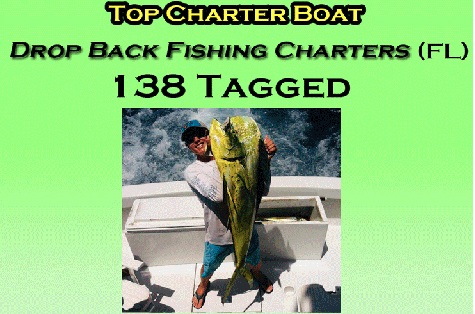
S.A.F.E. President Captain Jon Reynolds Named Top Charter Boat in 2025 DRP Tag & Release Awards
S.A.F.E. President Captain Jon Reynolds and Dropback Charters earned Top Charter Boat in the 2025 Dolphinfish Research Program awards with 138 mahi tagged and released.
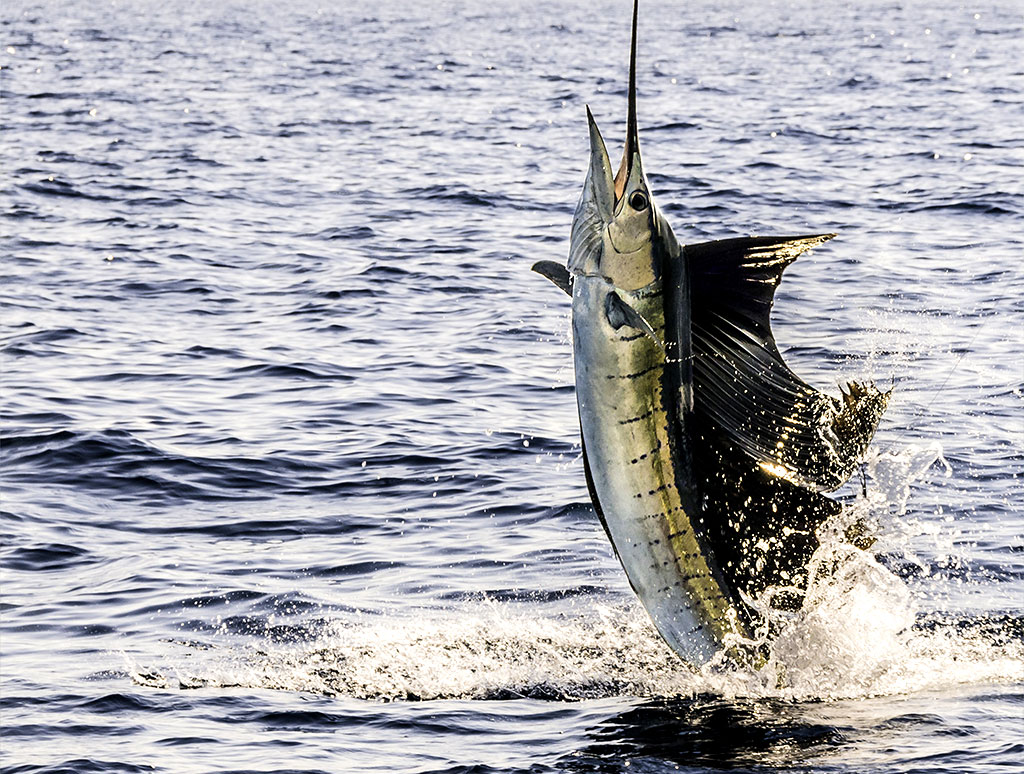
62nd Islamorada Sailfish Tournament Launches with Conservation Focus: Three Waters Resort as New Host
The historic Islamorada Sailfish Tournament enters its 62nd year with Three Waters Resort as new host, continuing its legacy as primary fundraiser for Islamorada Charter Boat Association's conservation mission.
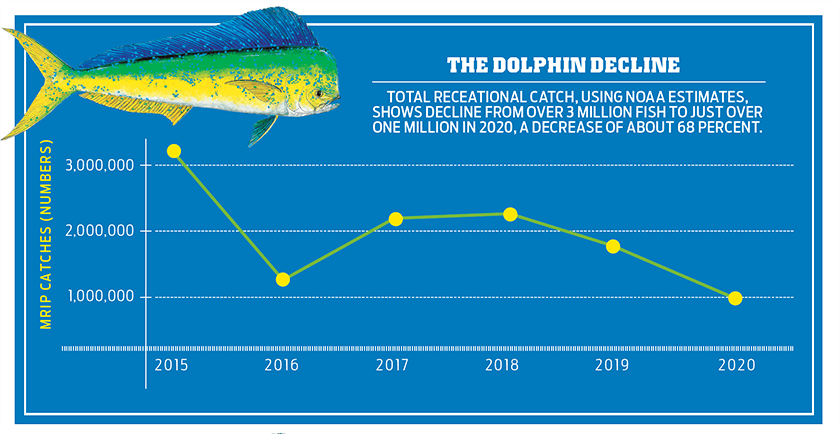
Historic Victory: Florida Adopts Stronger Mahi Regulations, Federal Review Underway
Florida implements proactive mahi conservation measures, reducing bag limits and calling for federal adoption of 2,000-pound commercial trip limits—a major victory for the Save the Mahi Mahi Campaign.
Join the Fight
Ready to take action? Become a S.A.F.E. member and help us protect the fisheries we love.