Miami Herald Exposes Mahi Crisis: 'This is disgraceful' - Captain Jon Reynolds' Powerful Testimony
📰 MIAMI HERALD EXPOSES MAHI CRISIS: 'THIS IS DISGRACEFUL' - CAPTAIN JON REYNOLDS' POWERFUL TESTIMONY
October 7, 2022 - In a groundbreaking investigative report, the Miami Herald has exposed the dramatic collapse of the South Atlantic mahi-mahi fishery, featuring powerful testimony from S.A.F.E. President Captain Jon Reynolds. The article, written by veteran journalist David Goodhue, documents how destructive longline fishing practices are decimating one of Florida's most iconic and economically important fisheries.
🎣 THE VISUAL PROOF: 11 MILES OF DESTRUCTION
🎤 CAPTAIN JON REYNOLDS' POWERFUL TESTIMONY
"Jon Reynolds, a Florida Keys charter boat fishing captain, opened up a plastic trash bag Thursday night during a meeting with federal regulators and pulled out a huge ball of thick monofilament line that's used to target en masse mahi mahi..."
"To even have this in a fishery anymore in 2022, this is disgraceful — to even do to the ocean. Our customers are sickened by the fact that our country is even allowing this gear to be deployed into the water. I mean, this is absolutely insane."
— Captain Jon Reynolds, S.A.F.E. President
📊 THE HARD NUMBERS: A FISHERY IN FREE FALL
LONGLINE STATISTICS
- 📏 11-mile longlines deployed in mahi fishery
- 🎣 1,100 large J hooks per longline
- 🚤 70 longline vessels currently targeting mahi
- 📍 Primary bases: Northern Florida and North Carolina
- 🌊 New expansion: Recently began targeting mahi in Puerto Rico
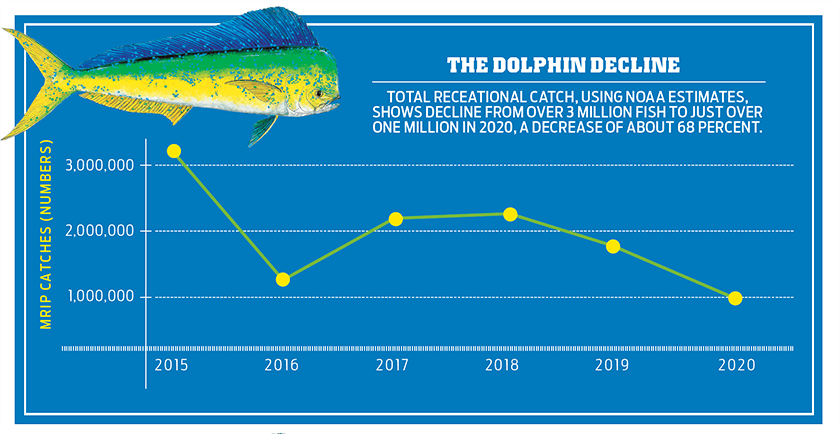
- 📉 "Healthy to almost nonexistent in 36 months" - Larry Wren, First Choice Charters
- 🐟 Large "gaffer" dolphin (20+ lbs) virtually disappeared
- 🎣 Charter captains reporting season-long poor catches
- 💰 Economic impacts: Businesses turning away clients
- 📏 32 nautical miles of line allowed per vessel
- 🎯 No daily catch limits for commercial boats
- 📊 Inadequate monitoring of landings
- 👁️ Limited enforcement in offshore waters
- 🎯 Non-selective gear catches everything in its path
- 🐟 High bycatch rates of non-target species
- 🌊 Ghost fishing from lost or discarded gear
- 📉 Removal of breeding stock from population
- 💰 $450 million annual economic impact from mahi fishing
- ✈️ International tourism drawn to Florida for mahi
- 🚤 Charter industry dependent on healthy stocks
- 🏆 Tournament economy at risk of collapse
- 🔍 Constant searching for signs (frigate birds, sargassum)
- 🚤 Non-stop trolling consuming gallons of fuel
- 🎯 Skill-based hunting rather than chumming
- 🌊 Weather-dependent success rates
- 🐟 Large "gaffer" dolphin (20+ lbs to 88 lbs) missing
- 🎣 Multi-generational knowledge showing dramatic change
- 📊 Biological indicators of population stress
- 💰 Economic value of trophy fish for charter clients
- 📅 Lifespan: Up to 5 years
- 🐟 Reproduction: Can start at 4-5 months old
- 🌊 Growth: Up to 7 feet and 88 pounds
- 🔄 Rapid reproduction but vulnerable to overfishing
- 📅 Date: October 6, 2022
- 🏛️ Hosts: NOAA & South Atlantic Fisheries Management Council
- 📍 Location: Florida Keys History & Discovery Center, Islander Resort
- 🎯 Purpose: Receive charter sector input on future rules
- 🗣️ Organized captain participation in the meeting
- 📊 Provided data and evidence of fishery decline
- 🎤 Coordinated testimony from affected businesses
- 📰 Media outreach to ensure public awareness
- 📞 Could not be reached for comment by Miami Herald
- 🤝 Historically resistant to regulation changes
- 💰 Economic interests in maintaining status quo
- 📊 Data disputes about fishery status
- 🚤 Fuel costs: $500-$1,000+ per trip
- 👥 Client disappointment: Turning away business
- 📉 Reduced bookings: Clients choosing other destinations
- 💰 Lost income: Captains and mates affected
- 🏆 Tournament declines: Reduced participation and prizes
- 🏨 Hospitality industry: Hotels, restaurants, bars
- 🛒 Retail sector: Tackle shops, marine supplies
- ✈️ Tourism: International visitors choosing Florida
- 🏠 Real estate: Property values tied to fishing access
- 💰 Tax revenue: State and local government impacts
- 📉 $450 million annual economic impact at risk
- 👥 Thousands of jobs in coastal communities
- 🚤 Marine industry manufacturing and sales
- 🏆 Tournament economy completely lost
- 🌊 Cultural heritage of Florida fishing diminished
- 📅 Veteran journalist covering Florida Keys issues
- 🔍 Investigative approach to complex fishery problems
- 🗣️ Multiple sources including captains, scientists, managers
- 📊 Data-driven analysis of economic and ecological impacts
- 📰 Major media exposure reaches millions of readers
- 🏛️ Political pressure on decision-makers
- 👥 Public awareness of fishery crisis
- 💰 Economic accountability for destructive practices
- 🌊 Conservation momentum for policy changes
- 📈 Amplifies voices of affected fishermen
- 🔍 Holds agencies accountable for management failures
- 💰 Highlights economic consequences of inaction
- 🌊 Educates public about complex fishery issues
- 🏛️ Creates political will for regulatory action
- 📰 Proactive outreach to journalists like David Goodhue
- 🎤 Prepared spokespeople like Captain Jon Reynolds
- 📊 Data provision to support investigative reporting
- 🤝 Source coordination for comprehensive coverage
- 🏛️ Formal testimony at NOAA/SAFMC meetings
- 📝 Public comment submissions with specific recommendations
- 🤝 Coalition building with affected businesses
- 📊 Economic impact analysis to support policy changes
- 📱 Social media campaigns to amplify media coverage
- 📝 Petition drives demonstrating public concern
- 🗳️ Political engagement with elected officials
- 👥 Member mobilization for regulatory meetings
- 👀 Tangible evidence of destructive fishing practices
- 📏 Scale visualization: 11 miles becomes a physical object
- 💔 Emotional impact: Shows disregard for ocean health
- 🎯 Policy relevance: Demonstrates need for gear restrictions
- 📰 Media-friendly: Creates compelling visual for coverage
- 💬 Makes abstract problems concrete
- 😢 Creates emotional connection with decision-makers
- 📸 Provides media-ready moments
- 🎤 Amplifies message beyond technical discussions
- 👥 Engages public who may not understand complex data
- 🎣 Fishermen's concerns about their livelihoods
- 🌊 Ecological warnings about a collapsing fishery
- 💰 Economic analysis of what's at stake
- 🏛️ Regulatory failure to address the crisis
- 👥 Community impact of destructive practices
FISHERY DECLINE METRICS
🎤 CHARTER CAPTAIN TESTIMONY: UNANIMOUS CONCERN
LARRY WREN - FIRST CHOICE CHARTERS
"This fishery has gone from healthy to almost nonexistent in 36 months; that's the life span of a fish."GARY SALYERS - 20-YEAR CHARTER VETERAN
"Every year, it gets a little harder. This is the first year I told my clients I can't take them dolphin fishing because of fuel."UNANIMOUS AGREEMENT
The roughly 30 captains and mates in attendance at the NOAA/SAFMC meeting agreed on two things: 1. 🎣 Their catch is way down 2. 🏭 Long-lining is to blame🏭 THE LONGLINE PROBLEM: INDUSTRIAL-SCALE FISHING
CURRENT REGULATIONS
ECOLOGICAL IMPACT
Captain Reynolds' powerful analogy: "You can't go hunting deer with machine guns."The Problem:
ECONOMIC REALITY
🎣 THE MAHI FISHING EXPERIENCE: MORE THAN JUST FISHING
UNIQUE HUNTING CHALLENGE
Unlike other species:THE "SLAMMER" DISAPPEARANCE
Most alarming to veteran captains:MAHI BIOLOGY
🏛️ THE REGULATORY MEETING: PURPOSE AND OUTCOME
MEETING DETAILS
S.A.F.E.'S ROLE
INDUSTRY RESPONSE
Bluewater Fishermen's Association (longline trade group):📈 THE ECONOMIC STAKES
CHARTER INDUSTRY IMPACTS
BROADER ECONOMIC IMPACTS
THE COST OF INACTION
If the fishery collapses:📰 MIAMI HERALD'S INVESTIGATIVE JOURNALISM
DAVID GOODHUE'S REPORTING
WHY THIS COVERAGE MATTERS
JOURNALISTIC IMPACT
🎯 S.A.F.E.'S ADVOCACY STRATEGY
MEDIA ENGAGEMENT
REGULATORY PRESSURE
PUBLIC MOBILIZATION
📄 ARTICLE RESOURCES AND CONTEXT
Read the Full Investigation
🔗 Article Availability:
The Miami Herald article is available through their website, though it may be behind a paywall. Key excerpts and quotes are reproduced here with context and analysis.
📊 Supporting Documents:
This Miami Herald investigation builds on S.A.F.E.'s previous documentation of the mahi crisis, including our coalition letter and public input submissions to SAFMC.
🏆 THE POWER OF VISUAL TESTIMONY
WHY THE MONOFILAMENT BALL MATTERS
Captain Reynolds' visual demonstration was powerful because:BEYOND STATISTICS
While data is important, visual testimony:📈 NEXT STEPS AND EXPECTED OUTCOMES
IMMEDIATE ACTIONS
1. 📰 Amplify media coverage through social media and networks 2. 🏛️ Follow up with SAFMC on meeting outcomes 3. 📝 Formalize recommendations based on captain input 4. 🤝 Expand coalition with additional affected businesses 5. 📊 Collect additional data to support regulatory changesMEDIUM-TERM GOALS
1. 🎯 Commercial trip limits implemented by 2023 season 2. 📊 Improved monitoring of longline landings 3. 🔬 Comprehensive stock assessment funded and completed 4. 🤝 Stakeholder working group established for ongoing dialogue 5. 🌊 Gear restrictions on destructive fishing methodsLONG-TERM VISION
1. 🐟 Sustainable mahi population recovered by 2025 2. 💰 Economic stability restored to charter industry 3. 🌊 Model management system for other fisheries 4. 🤝 Collaborative governance between sectors 5. 📚 Educational programs on sustainable fishing practices🎯 HOW TO SUPPORT THE EFFORT
FOR FLORIDA RESIDENTS:
1. 📰 Read and share the Miami Herald article 2. 📧 Contact elected officials about fishery concerns 3. 💰 Support sustainable charter operations 4. 🗣️ Speak up at public meetings about the issue 5. 📱 Use #SaveTheMahi on social mediaFOR CONSUMERS:
1. 🍽️ Ask restaurants about mahi sourcing 2. 🛒 Choose sustainably caught seafood 3. 💰 Support businesses advocating for conservation 4. 📚 Educate yourself about fishery issues 5. 🗳️ Vote for candidates supporting sustainable oceansFOR FISHING ENTHUSIASTS:
1. 🎣 Practice catch and release for large breeding mahi 2. 📊 Report your catches to improve data 3. 🤝 Join conservation organizations like S.A.F.E. 4. 📝 Submit comments on fishery management proposals 5. 🌊 Be ocean ambassadors in your communitiesS.A.F.E. - South Atlantic Fishing Environmentalists Turning media exposure into conservation action
Special thanks to Miami Herald journalist David Goodhue for his thorough investigative reporting. Thanks to every charter captain who shared their story and to Captain Jon Reynolds for his courageous leadership in speaking truth to power.
📰 FINAL REFLECTION: THE POWER OF TRUTH-TELLING
The Miami Herald's investigation into the mahi crisis represents something fundamental in conservation advocacy: the power of truth-telling.
For years, fishermen have been saying the mahi are disappearing. For years, data has shown declining catches. For years, economic impacts have been mounting. But it took major media exposure to bring the crisis to public attention in a way that demands action.
Captain Jon Reynolds' testimony—complete with visual evidence of destructive fishing gear—did something that spreadsheets and stock assessments cannot do: It made people feel.
It made regulators feel the weight of their responsibility. It made the public feel the loss of a beloved fishery. It made journalists feel the urgency of the story. It made fellow captains feel seen and heard.
This is why media matters in conservation. Not just for exposure, but for emotional connection. Not just for information, but for moral urgency. Not just for reporting, but for accountability.
The Miami Herald article now exists as a permanent public record of:
Now the question is: What happens next?
Will this media exposure lead to regulatory action? Will the visual evidence change policy decisions? Will the economic analysis overcome industry resistance? Will the public outrage translate to political will?
S.A.F.E. will continue to fight for the mahi fishery. We'll use this media exposure as leverage. We'll build on this public awareness. We'll turn this moment of truth-telling into lasting conservation action.
Because at the end of the day, media exposure isn't the goal—conservation action is. But media exposure can be the catalyst that makes conservation action possible.
"Sunlight is said to be the best of disinfectants. The Miami Herald's investigation has shone a bright light on the mahi crisis. Now it's up to all of us to ensure that light leads to action."
Share This Story
More From S.A.F.E.
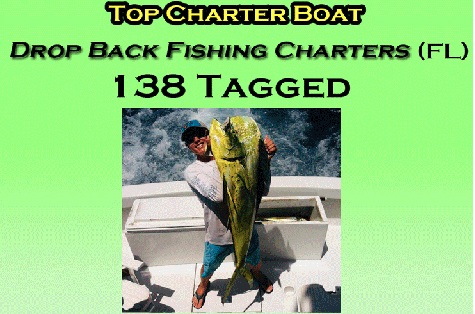
S.A.F.E. President Captain Jon Reynolds Named Top Charter Boat in 2025 DRP Tag & Release Awards
S.A.F.E. President Captain Jon Reynolds and Dropback Charters earned Top Charter Boat in the 2025 Dolphinfish Research Program awards with 138 mahi tagged and released.
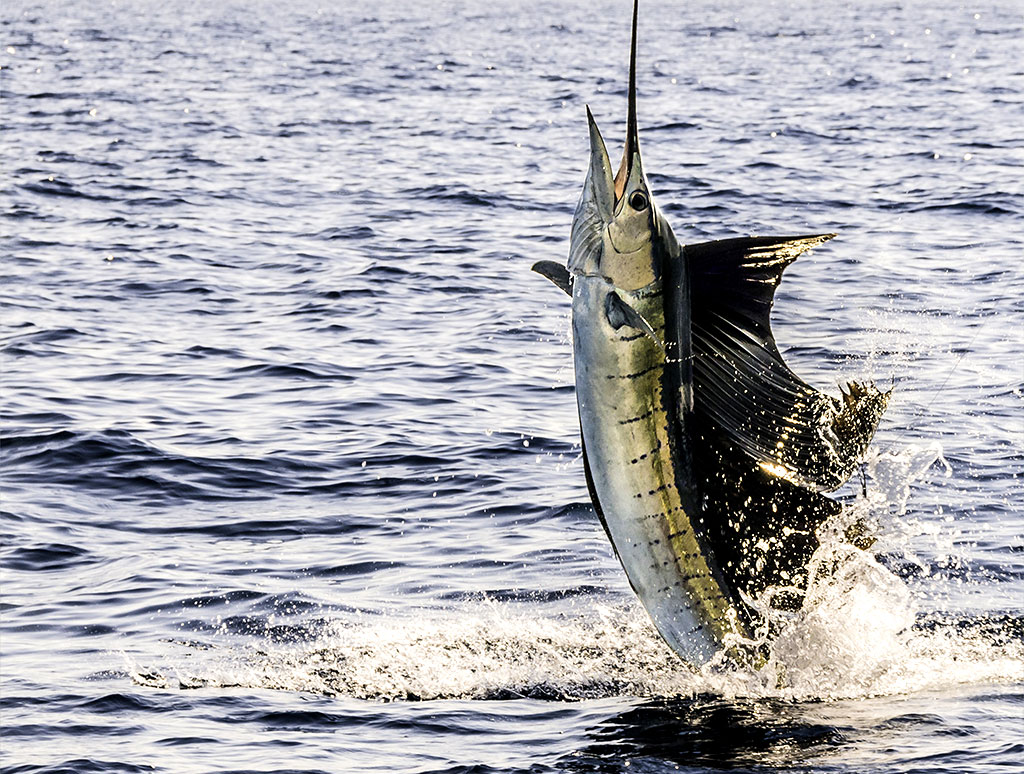
62nd Islamorada Sailfish Tournament Launches with Conservation Focus: Three Waters Resort as New Host
The historic Islamorada Sailfish Tournament enters its 62nd year with Three Waters Resort as new host, continuing its legacy as primary fundraiser for Islamorada Charter Boat Association's conservation mission.
Historic Victory: Florida Adopts Stronger Mahi Regulations, Federal Review Underway
Florida implements proactive mahi conservation measures, reducing bag limits and calling for federal adoption of 2,000-pound commercial trip limits—a major victory for the Save the Mahi Mahi Campaign.
Join the Fight
Ready to take action? Become a S.A.F.E. member and help us protect the fisheries we love.