S.A.F.E. Advocates for Conservation at Islamorada Village Council Meeting
🏛️ S.A.F.E. ADVOCATES FOR CONSERVATION AT ISLAMORADA VILLAGE COUNCIL MEETING
February 9, 2023 - S.A.F.E. President Captain Jon Reynolds presented to the Islamorada Village Council, calling for increased conservation measures to address fishing pressures within critical spawning grounds. This local government advocacy represents an important expansion of S.A.F.E.'s conservation efforts from federal and state levels to the community level where fishing impacts are most directly felt.
🎤 LOCAL GOVERNMENT ADVOCACY: BRINGING CONSERVATION HOME
🏛️ ISLAMORADA VILLAGE COUNCIL MEETING
PRESENTATION HIGHLIGHTS
"Jon Reynolds, president of South Atlantic Fishing Environmentalists, is calling for support of increased conservation measures to address fishing pressures within spawning grounds."
— Keys News Coverage
Key Insight: This local government advocacy represents a strategic expansion of S.A.F.E.'s work, recognizing that conservation success requires engagement at all levels of governance—federal, state, and local.
🎯 WHY LOCAL GOVERNMENT MATTERS FOR FISHERIES CONSERVATION
LOCAL IMPACT, GLOBAL SIGNIFICANCE
Islamorada, known as the "Sportfishing Capital of the World," has unique responsibilities:- 🎣 Economic dependence: Fishing tourism drives local economy
- 🌊 Geographic position: At heart of Florida Keys ecosystem
- 🏛️ Regulatory influence: Local policies can complement state/federal measures
- 👥 Community stewardship: Residents directly experience fishery changes
- 📊 Data collection: Local knowledge informs broader management
- 🐟 Reef fish aggregations during spawning seasons
- 🌊 Current-swept areas where eggs and larvae disperse
- 🏝️ Mangrove nurseries for juvenile fish
- 🪸 Coral reef structures that provide shelter
- 🌿 Seagrass beds essential for many species
- 🎣 Concentrated fishing pressure on aggregations
- 🚤 Boat traffic and anchoring disturbing habitats
- 💧 Water quality issues from land-based sources
- 🌡️ Temperature stress from climate change
- 🔄 Altered currents affecting larval transport
- 👥 Citizen science programs for spawning observations
- 📊 Local data collection to inform management decisions
- 🎣 Fisher reporting systems for spawning aggregations
- 🌊 Environmental monitoring by community organizations
- 📈 Trend documentation of local fishery changes
- 🚤 Charter and guide associations
- 🏨 Tourism and hospitality businesses
- 🏠 Residential community organizations
- 🏫 Educational institutions
- 🏛️ Local government agencies
- 🌊 Marine conservation groups
- 🎣 Recreational fishing clubs
- 💰 Economic dependence on healthy fisheries
- 🏠 Quality of life tied to marine environment
- 👶 Future generations' fishing opportunities
- 🌊 Ecosystem health concerns
- 📈 Sustainable tourism goals
- 🤝 Joint conservation initiatives with multiple stakeholders
- 📚 Shared educational programs for residents and visitors
- 💰 Cooperative funding for research and monitoring
- 🏛️ Unified advocacy for protective measures
- 🎣 Best practices development for sustainable fishing
- 🎯 Predictable locations make fish easy targets
- 🐟 Concentrated numbers attract intensive fishing
- 🌊 Essential life stage critical for population maintenance
- 📉 Rapid depletion potential if not protected
- 🔬 Disproportionate impact on overall population health
- ⏰ Seasonal closures during spawning can dramatically increase populations
- 📍 Spatial protections of aggregation sites yield rapid recovery
- 👥 Community enforcement is often more effective than external enforcement
- 💰 Economic benefits of protection often exceed short-term catch values
- 📈 Stock resilience improves with spawning stock protection
- 🌡️ Climate change considerations in timing of protections
- 🐟 Species-specific approaches for different life histories
- 🌊 Ecosystem-based management considering predator-prey relationships
- 📊 Adaptive management based on monitoring results
- 🤝 Stakeholder-designed measures for local acceptance
- 🏆 Set conservation standards for fishing destinations worldwide
- 📚 Educate millions of visitors about sustainable practices
- 🔬 Pioneer innovative approaches to local fishery management
- 🤝 Model stakeholder collaboration for other communities
- 🌊 Demonstrate that conservation supports rather than hinders tourism
- 📜 Adopt local ordinances protecting marine resources
- 💰 Allocate funding for conservation initiatives
- 📚 Support educational programs in schools and community
- 🤝 Facilitate stakeholder dialogues and consensus building
- 🏛️ Advocate to state and federal agencies for supportive policies
- 👥 Residents take pride in local conservation leadership
- 🏢 Businesses promote sustainable practices to customers
- 🎣 Anglers practice and advocate for responsible fishing
- 🏫 Schools incorporate marine conservation in curriculum
- 🏛️ Government prioritizes long-term ecosystem health
- 📊 Increased awareness of spawning ground importance
- 🤝 Broader stakeholder engagement in conservation discussions
- 🏛️ Policy consideration of local conservation measures
- 📚 Educational program development and implementation
- 👥 Community support for protective measures
- 🐟 Documented protection of key spawning areas
- 📈 Improved catch rates for local fishermen
- 💰 Economic benefits from sustainable tourism
- 🌊 Habitat restoration progress in critical areas
- 🔬 Enhanced monitoring of local fish populations
- 🎣 Sustainable fisheries for future generations
- 🏆 Global recognition as conservation leader
- 🌊 Resilient marine ecosystem despite climate challenges
- 💰 Diversified local economy with conservation at core
- 👥 Engaged community actively stewarding marine resources
- 📍 Key Largo and other Monroe County municipalities
- 🏛️ County commission advocacy for broader measures
- 🤝 Regional collaboration with other fishing communities
- 📚 Model development for transfer to other locations
- 🌊 Watershed-scale approaches considering entire ecosystem
- 🏛️ Alignment with state FWC conservation initiatives
- 🌊 Coordination with federal sanctuary management
- 🔬 Partnership with scientific research institutions
- 💰 Collaboration with economic development organizations
- 📰 Media engagement to build public support
- 🎣 Respects fishing traditions while embracing sustainability
- 💰 Values economic vitality alongside ecosystem health
- 👥 Engages diverse stakeholders in collaborative solutions
- 🌊 Recognizes local realities while addressing global challenges
- 🏛️ Works across governance levels for comprehensive protection
SPAWNING GROUND PROTECTION PRIORITIES
Captain Reynolds highlighted several critical areas needing local attention:Nearshore Spawning Habitats:
Threats to Spawning Success:
📋 S.A.F.E.'S LOCAL CONSERVATION RECOMMENDATIONS
IMMEDIATE ACTIONS FOR ISLAMORADA
1. 📊 Spawning ground mapping: Identify and document critical areas 2. 🎣 Seasonal protections: Temporary closures during peak spawning 3. 🚤 Boating guidelines: Reduce impacts near sensitive habitats 4. 📚 Education programs: For residents and visitors about spawning importance 5. 🤝 Stakeholder engagement: Involve fishing community in conservation planningLONG-TERM CONSERVATION STRATEGY
1. 🌊 Habitat restoration: Invest in mangrove and seagrass recovery 2. 📈 Water quality monitoring: Address land-based pollution sources 3. 🔬 Research partnerships: With local universities and organizations 4. 💰 Economic incentives: For conservation-friendly fishing practices 5. 🏛️ Policy integration: Align local, state, and federal measuresCOMMUNITY-BASED MONITORING
🤝 BUILDING LOCAL CONSERVATION COALITIONS
KEY STAKEHOLDER ENGAGEMENT
S.A.F.E. is working to build coalitions with:COMMON GROUND IDENTIFICATION
Despite diverse interests, stakeholders share:COLLABORATIVE SOLUTIONS
📊 THE SCIENCE OF SPAWNING GROUND CONSERVATION
WHY SPAWNING AGGREGATIONS ARE VULNERABLE
SUCCESSFUL PROTECTION MODELS
Examples from other regions show that:LOCAL ADAPTATION NEEDS
🏆 THE IMPORTANCE OF LOCAL LEADERSHIP
ISLAMORADA'S UNIQUE POSITION
As "Sportfishing Capital of the World," Islamorada can:LOCAL GOVERNMENT'S ROLE
Village councils have authority to:COMMUNITY STEWARDSHIP CULTURE
Building a culture where:📈 MEASURING SUCCESS AND IMPACT
SHORT-TERM METRICS
MEDIUM-TERM INDICATORS
LONG-TERM OUTCOMES
🎯 NEXT STEPS IN LOCAL ADVOCACY
FOLLOW-UP ACTIONS
1. 📝 Formal proposal submission to Village Council with specific measures 2. 🤝 Stakeholder meetings to build broader support 3. 📚 Educational materials development for community distribution 4. 📊 Data collection initiative on local spawning patterns 5. 🏛️ Continued engagement in local government processesEXPANSION TO OTHER COMMUNITIES
INTEGRATION WITH BROADER EFFORTS
S.A.F.E. - South Atlantic Fishing Environmentalists Bringing conservation advocacy to where it matters most—our local communities
Special thanks to the Islamorada Village Council for hearing our concerns, and to all local residents and businesses who support sustainable fisheries for our community's future.
🏠 FINAL REFLECTION: CONSERVATION BEGINS AT HOME
The February 2023 Islamorada Village Council presentation represents an important evolution in S.A.F.E.'s conservation strategy: recognizing that sustainable fisheries require engagement at all levels of governance, including our local communities.
For too long, fishery conservation has been seen as: Federal agencies' responsibility State managers' concern Distant bureaucrats' problem
But Captain Jon Reynolds' presentation to the Islamorada council reminds us that: Conservation happens where fish live Communities feel impacts first Local knowledge informs solutions Stewardship begins at home Change requires all levels of engagement
Islamorada, as the "Sportfishing Capital of the World," has both a special responsibility and a unique opportunity. The choices made here—about spawning ground protections, fishing practices, tourism development, and community values—will reverberate far beyond village boundaries.
They will influence how other fishing communities approach conservation. They will demonstrate whether tourism and sustainability can coexist. They will show if local governments can effectively protect marine resources. They will prove whether community-based conservation works. They will determine what legacy we leave for future generations.
S.A.F.E. is committed to working with Islamorada and all Florida Keys communities to build a conservation ethic that:
Because at the end of the day, the mahi swimming off Islamorada, the snapper spawning on local reefs, the tarpon migrating through our waters—they're not just "fish stocks" to be managed. They're part of our community's identity, economy, and future.
And protecting them begins right here, in our local council chambers, with voices like Captain Jon Reynolds' reminding us of what's at stake.
"Local conservation isn't small conservation—it's where global sustainability becomes real for communities. Islamorada's choices today will echo in oceans tomorrow."
Share This Story
More From S.A.F.E.
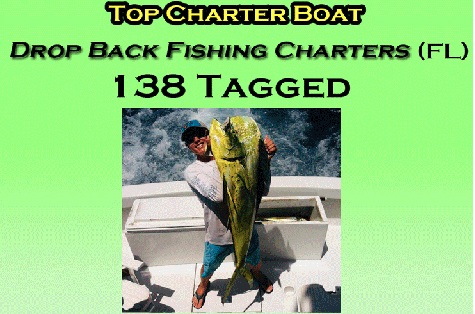
S.A.F.E. President Captain Jon Reynolds Named Top Charter Boat in 2025 DRP Tag & Release Awards
S.A.F.E. President Captain Jon Reynolds and Dropback Charters earned Top Charter Boat in the 2025 Dolphinfish Research Program awards with 138 mahi tagged and released.
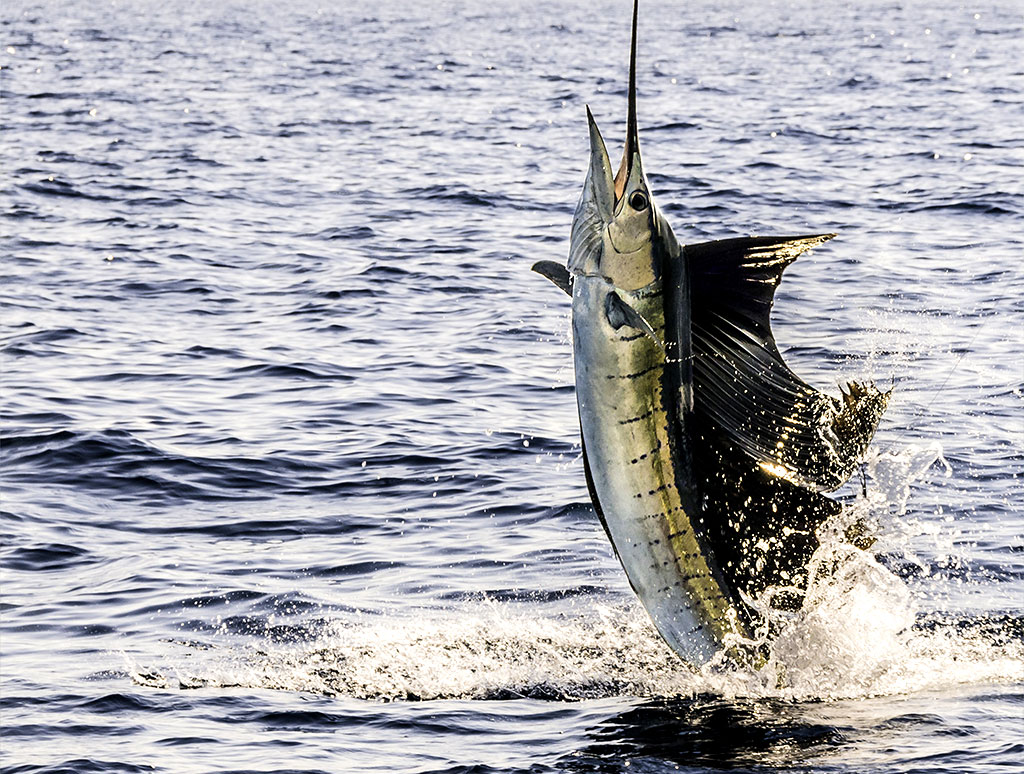
62nd Islamorada Sailfish Tournament Launches with Conservation Focus: Three Waters Resort as New Host
The historic Islamorada Sailfish Tournament enters its 62nd year with Three Waters Resort as new host, continuing its legacy as primary fundraiser for Islamorada Charter Boat Association's conservation mission.
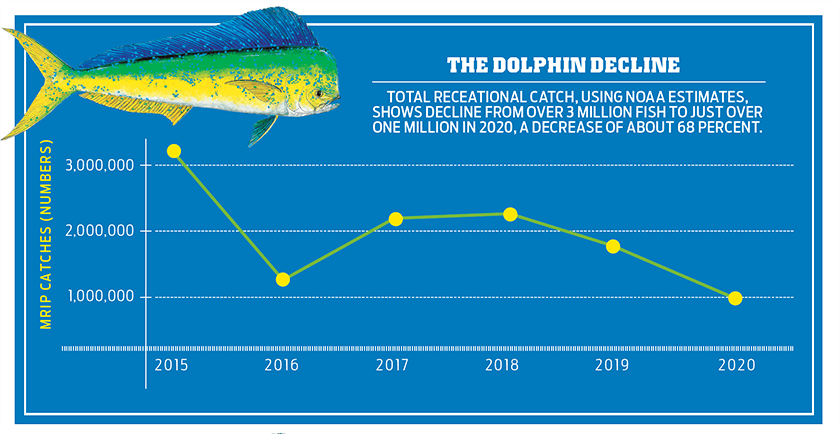
Historic Victory: Florida Adopts Stronger Mahi Regulations, Federal Review Underway
Florida implements proactive mahi conservation measures, reducing bag limits and calling for federal adoption of 2,000-pound commercial trip limits—a major victory for the Save the Mahi Mahi Campaign.
Join the Fight
Ready to take action? Become a S.A.F.E. member and help us protect the fisheries we love.