Charter Captains Unite: 'We Support Lower Mahi Limits to Save Our Fishery'
🎣 CHARTER CAPTAINS UNITE: 'WE SUPPORT LOWER MAHI LIMITS TO SAVE OUR FISHERY'
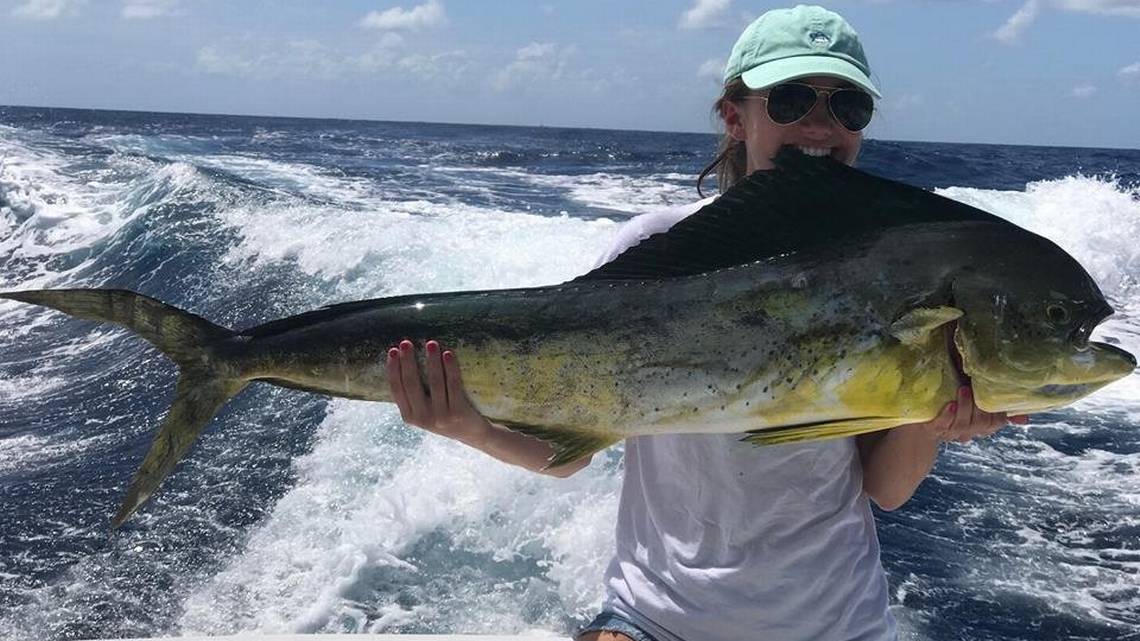
March 15, 2023 - In a powerful display of conservation leadership, Florida Keys charter captains are welcoming reduced mahi bag limits and calling for even stricter measures to rebuild the collapsing fishery. This unprecedented industry support for conservation over short-term catch represents a fundamental shift in fishing community attitudes toward sustainable management.
📉 THE NEW REALITY: CHARTER CAPTAINS EMBRACE CONSERVATION
🎤 CAPTAIN JUSTIN HOPPER - FANTASTIC II
Captain Justin Hopper, 53, of the Fantastic II out of the Holiday Inn marina in Key Largo, represents the new conservation-minded charter industry:
"A bag limit of 20, 30, 40 fish, I'm happy with. We're trying to get back to those numbers. We're not seeing them anymore."
— Captain Justin Hopper, Fantastic II
Key Insight: Captain Hopper's statement represents a dramatic shift from the traditional "more is better" fishing mentality to a conservation-focused approach prioritizing fishery recovery over maximum daily catch.
📊 THE REGULATORY PROGRESS: 60 → 54 FISH LIMIT
2022 REGULATORY CHANGE
* 📅 Implemented: 2022 fishing season * 🎣 Previous limit: 60 fish per vessel * 🎯 New limit: 54 fish per vessel * 📉 Reduction: 6 fish (10% decrease) * 🏛️ Agency: South Atlantic Fishery Management CouncilINDUSTRY RESPONSE
The Keys charter fleet welcomed the federal rule lowering recreational bag limits, recognizing that: * 🐟 Conservation necessity outweighs short-term catch * 💰 Economic sustainability requires healthy stocks * 👥 Client satisfaction depends on quality fishing * 🌊 Industry future requires proactive managementBEYOND THE MINIMUM
While the 54-fish limit is a start, captains are calling for: * 🎯 Further reductions to 20-40 fish range * 📊 Science-based targets rather than political compromises * 🔄 Adaptive management that responds to stock status * 🤝 Industry leadership in conservation advocacy🎯 WHY CHARTER CAPTAINS ARE LEADING THE CHANGE
ECONOMIC REALITIES
* 💰 Fuel costs: $500-$1,000+ per trip for mahi fishing * 👥 Client expectations: Quality over quantity * 📉 Catch rates: Declining despite increased effort * 🚤 Operational costs: Rising across the board * 🏆 Tournament viability: Dependent on healthy stocksEXPERIENCE-BASED KNOWLEDGE
* 📅 Multi-generational observations: Documenting decline * 🎣 Daily on-water experience: Seeing changes firsthand * 📊 Catch data: Personal records showing trends * 🌊 Environmental awareness: Understanding ecosystem changes * 👥 Client feedback: Hearing concerns from anglersLONG-TERM VISION
* 👶 Future generations: Ensuring fishing for their children * 🏢 Business continuity: Sustainable operations for decades * 🌊 Ocean stewardship: Responsibility as marine professionals * 💰 Economic stability: Predictable income from healthy fisheries * 🏆 Industry reputation: Leadership in conservation📈 THE ECONOMICS OF CONSERVATION
SHORT-TERM VS. LONG-TERM THINKING
Traditional Approach (Short-term): * 🎣 Maximize daily catch regardless of stock status * 💰 Immediate revenue from full coolers * 📊 Quantity focus over quality * ⏰ Immediate gratification for clients * 🚫 Resistance to regulation
New Conservation Approach (Long-term): * 🐟 Prioritize stock recovery for future seasons * 💰 Sustainable revenue from healthy fisheries * 📊 Quality focus (size, experience over numbers) * ⏰ Patience for recovery and rebuilding * ✅ Support for science-based regulation
BUSINESS CASE FOR CONSERVATION
* 📈 Client retention: Anglers return for quality experiences * 💰 Premium pricing: Conservation leadership attracts clients * 🏆 Tournament success: Healthy stocks mean competitive fishing * 📰 Positive publicity: Industry leadership enhances reputation * 🤝 Community support: Conservation aligns with public values🏆 INDUSTRY LEADERSHIP IN ACTION
CHARTER CAPTAIN UNITY
The Miami Herald article documents unprecedented unity: * 🤝 Welcome regulatory changes rather than resist them * 🎯 Call for stronger measures than minimum requirements * 📊 Base positions on experience rather than ideology * 🌊 Prioritize ocean health over short-term gain * 👥 Represent client interests in sustainable fishingROLE MODEL EFFECT
Charter captains serve as: * 🎣 Fishing ambassadors to thousands of clients annually * 🌊 Conservation educators explaining regulations' purpose * 📊 Data collectors through logbooks and reports * 🏛️ Policy advocates with practical on-water experience * 👥 Community leaders in coastal townsINDUSTRY TRANSFORMATION
From resistance to leadership: * 🔄 Mindset shift: Conservation as business strategy * 📈 Value proposition: Quality experiences over quantity * 🤝 Collaboration: Working with managers, not against * 🌊 Stewardship: Protecting the resource that provides livelihood * 🏆 Leadership: Setting example for recreational anglers📋 RECOMMENDED NEXT STEPS
IMMEDIATE ACTIONS (2023 SEASON)
1. 🎣 Further reduce bag limits to 30-40 fish range 2. 🐟 Implement size limits to protect breeding stock 3. 📊 Enhance data collection from charter sector 4. 🤝 Formalize industry input in management process 5. 📰 Continue media engagement to build public supportMEDIUM-TERM GOALS (2024-2025)
1. 🏭 Commercial trip limits implemented and enforced 2. 🔬 Comprehensive stock assessment completed 3. 🌊 Ecosystem-based management approach adopted 4. 💰 Economic impact studies on conservation benefits 5. 👥 Industry certification for sustainable operationsLONG-TERM VISION (2026+)
1. 🐟 Rebuilt mahi population to sustainable levels 2. 🎣 Quality fishing experiences restored 3. 💰 Economic stability for charter industry 4. 🌊 Model management system for other fisheries 5. 🏆 Industry leadership recognized nationally📊 DATA-DRIVEN DECISION MAKING
CHARTER INDUSTRY DATA
Captains can provide: * 📅 Historical catch records showing decline * 🎣 Daily logbooks with size and location data * 💰 Economic data on trip costs and revenues * 👥 Client satisfaction metrics and feedback * 🌊 Environmental observations from daily operationsSCIENTIFIC COLLABORATION
Opportunities for: * 🔬 Research partnerships with universities * 📊 Data sharing with management agencies * 🎣 Citizen science programs for captains and clients * 🌊 Ecosystem monitoring through industry networks * 📈 Trend analysis using industry recordsMANAGEMENT INTEGRATION
Ways to incorporate industry knowledge: * 🤝 Advisory committees with captain representation * 📊 Data standardization for industry reporting * 🎯 Management strategy evaluation with industry input * 🔄 Adaptive management based on real-time feedback * 📈 Performance metrics that include industry perspectives🎯 HOW CLIENTS CAN SUPPORT CONSERVATION-MINDED CAPTAINS
CHOOSE SUSTAINABLE OPERATIONS
* 🚤 Book with captains who support conservation measures * 💰 Pay premium rates for quality over quantity experiences * 📚 Learn about regulations and their conservation purpose * 🤝 Respect catch limits even when not required * 📊 Participate in data collection during tripsADVOCATE FOR CONSERVATION
* 📝 Thank captains who prioritize sustainable practices * 📰 Share positive experiences with conservation-focused operations * 🗣️ Support regulations that protect fishery health * 💰 Tip generously for educational and conservation efforts * 👥 Refer friends to sustainable charter operationsPRACTICE RESPONSIBLE FISHING
* 🎣 Release large breeders to maintain spawning stock * 📏 Follow size limits even when not strictly enforced * 🌊 Handle fish carefully for maximum survival * 📊 Report catches to improve fishery data * 📚 Educate fellow anglers about conservation importance📰 MEDIA COVERAGE AND PUBLIC PERCEPTION
MIAMI HERALD'S ROLE
The newspaper's continued coverage: * 📈 Amplifies industry voices calling for conservation * 💰 Highlights economic rationale for sustainable practices * 🌊 Educates public about fishery management complexities * 🏛️ Creates political pressure for science-based decisions * 👥 Builds public support for necessary regulationsINDUSTRY REPUTATION TRANSFORMATION
From perceived as: * 🚫 Regulation resisters → ✅ Conservation leaders * 💰 Short-term profit seekers → 🌊 Long-term stewards * 🎣 Catch maximizers → 🐟 Quality experience providers * 🏛️ Agency adversaries → 🤝 Management partners * 👥 Client pleasers → 📚 Conservation educatorsPUBLIC RELATIONS BENEFITS
* 📰 Positive media coverage enhances industry image * 💰 Marketing advantage for conservation-minded operations * 👥 Client attraction to responsible businesses * 🏛️ Political capital for future advocacy * 🌊 Community support in coastal towns🤝 S.A.F.E.'S ROLE IN INDUSTRY TRANSFORMATION
LEADERSHIP DEVELOPMENT
* 🎤 Training captains as conservation spokespeople * 📊 Providing data to support industry positions * 📰 Media coordination to amplify industry voices * 🏛️ Regulatory navigation for effective advocacy * 🤝 Coalition building across industry segmentsEDUCATION AND OUTREACH
* 📚 Conservation workshops for captains and crews * 🎣 Best practices development for sustainable operations * 👥 Client education materials for charter trips * 📊 Data collection systems for industry use * 🌊 Ecosystem education about mahi biology and ecologyADVOCACY SUPPORT
* 🏛️ Regulatory analysis of proposed measures * 💰 Economic impact assessment of management options * 🔬 Scientific translation for industry understanding * 🗣️ Testimony preparation for public hearings * 📝 Comment development for regulatory processesS.A.F.E. - South Atlantic Fishing Environmentalists Supporting industry leadership in conservation
Special recognition to Captain Justin Hopper and all Florida Keys charter captains who are putting conservation first. Your leadership is transforming the industry and giving hope for the future of our fisheries.
🏆 FINAL REFLECTION: THE NEW FACE OF FISHING
The Miami Herald's documentation of charter captains welcoming lower mahi limits represents something profound: the emergence of a new conservation ethic in the fishing industry.
For too long, the narrative has been: Fishermen vs. Conservationists Industry vs. Regulations Short-term Gain vs. Long-term Sustainability
But Captain Justin Hopper's words—and the unanimous support of the Keys charter fleet—tell a different story. They tell the story of:
Fishermen AS Conservationists Industry LEADING Regulation Short-term Sacrifice FOR Long-term Sustainability
This isn't just about catching fewer fish today. It's about: * 👶 Ensuring our children can experience the thrill of mahi fishing * 🚤 Maintaining businesses that have operated for generations * 🌊 Protecting ecosystems that sustain coastal communities * 💰 Building economic resilience through sustainable practices * 🏆 Creating industry leadership that inspires others
The charter captains' support for lower limits sends a powerful message to managers, politicians, and the public:
We care more about the future of fishing than today's catch. We understand that conservation is good business. We're willing to lead by example. We're partners in sustainable management. We're invested in the long-term health of our oceans.
This industry leadership changes everything. It removes the "us vs. them" dynamic from fishery management. It provides political cover for science-based decisions. It builds public trust in fishing communities. It creates a pathway to truly sustainable fisheries.
S.A.F.E. is proud to support and amplify this industry transformation. We'll continue to work with charter captains, provide data and analysis, coordinate media outreach, and advocate for the science-based management that the industry is now demanding.
Because when fishermen lead on conservation, everyone wins: the fish, the fishermen, the coastal communities, and future generations.
"The true measure of any industry is not what it takes today, but what it leaves for tomorrow. The Florida Keys charter fleet is measuring up as conservation leaders."
Share This Story
More From S.A.F.E.
S.A.F.E. President Captain Jon Reynolds Named Top Charter Boat in 2025 DRP Tag & Release Awards
S.A.F.E. President Captain Jon Reynolds and Dropback Charters earned Top Charter Boat in the 2025 Dolphinfish Research Program awards with 138 mahi tagged and released.
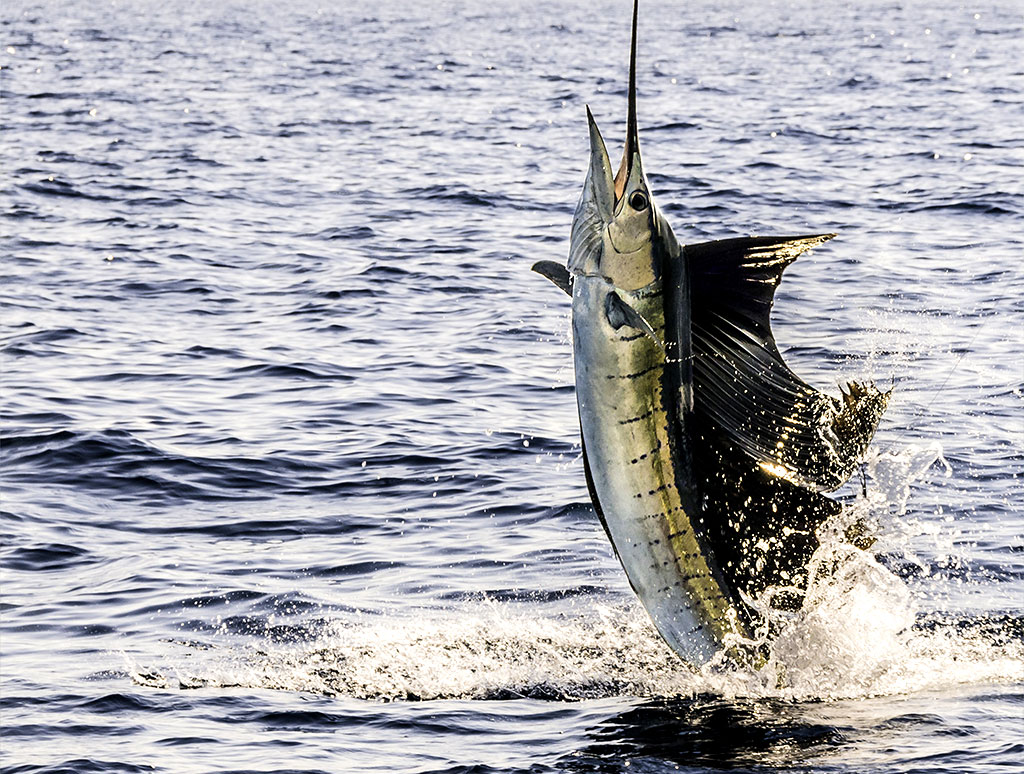
62nd Islamorada Sailfish Tournament Launches with Conservation Focus: Three Waters Resort as New Host
The historic Islamorada Sailfish Tournament enters its 62nd year with Three Waters Resort as new host, continuing its legacy as primary fundraiser for Islamorada Charter Boat Association's conservation mission.
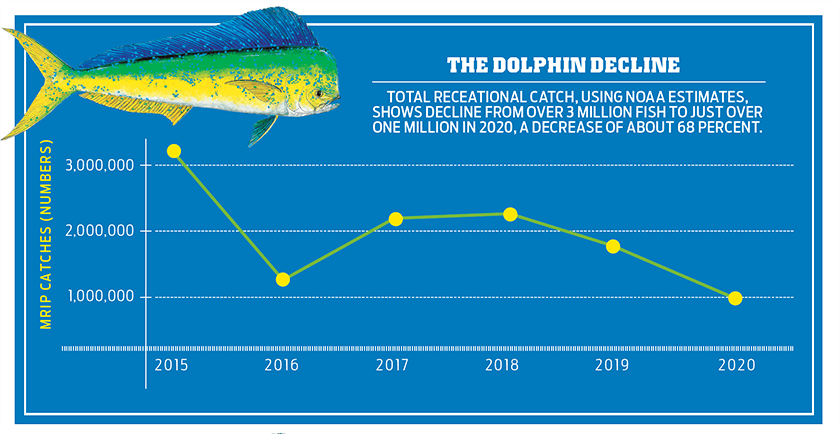
Historic Victory: Florida Adopts Stronger Mahi Regulations, Federal Review Underway
Florida implements proactive mahi conservation measures, reducing bag limits and calling for federal adoption of 2,000-pound commercial trip limits—a major victory for the Save the Mahi Mahi Campaign.
Join the Fight
Ready to take action? Become a S.A.F.E. member and help us protect the fisheries we love.