Fishing Community Partners with NOAA on Coral Restoration: Anglers Join Mission: Iconic Reefs Initiative
🐠 FISHING COMMUNITY PARTNERS WITH NOAA ON CORAL RESTORATION: ANGLERS JOIN MISSION: ICONIC REEFS INITIATIVE
May 6, 2023 - In a groundbreaking partnership that transcends traditional fishery management, the Florida Keys fishing community is collaborating with NOAA on ambitious coral restoration efforts through the Mission: Iconic Reefs initiative. This partnership demonstrates how anglers contribute to ecosystem recovery beyond catch limits and regulations, actively participating in habitat restoration that benefits entire marine ecosystems.
🎯 MISSION: ICONIC REEFS - A BOLD RESTORATION STRATEGY
🏝️ MISSION: ICONIC REEFS OVERVIEW
🎯 RESTORATION TARGETS
🤝 PARTNERSHIP NETWORK
🐟 WHY CORAL RESTORATION MATTERS TO FISHERMEN
ECOSYSTEM FOUNDATION
Coral reefs are the foundation of Florida Keys marine ecosystems:- 🏠 Habitat provider for 25% of marine species
- 🐟 Nursery grounds for commercially important fish
- 🌊 Storm protection for coastal communities
- 💰 Economic engine for fishing and tourism
- 🔬 Biodiversity hotspot with global significance
- 🎣 Snapper and grouper - reef-dependent species
- 🐟 Lobster and stone crab - reef-associated habitats
- 🌊 Pelagic species - reef structures attract baitfish
- 🏆 Sportfish - reefs provide structure and food
- 💰 Commercial species - reef ecosystems support harvests
- 🌡️ Temperature buffering for sensitive species
- 🌀 Storm wave attenuation protecting coastlines
- 🌊 Current moderation creating productive areas
- 🐟 Refuge areas during environmental stress
- 🔬 Genetic diversity for adaptation potential
- 📍 Site selection based on historical fishing patterns
- 📅 Seasonal timing informed by fishing experience
- 🌊 Current patterns knowledge from daily operations
- 🐟 Fish behavior understanding from observation
- 🔬 Ecosystem dynamics insight from long-term engagement
- 🚤 Transportation of materials and personnel
- 📍 Site access through local knowledge
- 📊 Monitoring during regular fishing activities
- 🤝 Outreach to broader fishing community
- 💰 Funding through tournament donations
- 📢 Communication within fishing networks
- 🤝 Bridge building between sectors
- 📰 Media engagement highlighting partnerships
- 🏛️ Policy support for restoration funding
- 👥 Community mobilization for volunteer efforts
- 🌱 Fragment collection from healthy donor colonies
- 🏥 Nursery cultivation under controlled conditions
- 🧬 Genetic diversity preservation through selection
- 📍 Strategic outplanting at restoration sites
- 📊 Monitoring and adaptation based on results
- 🪸 Staghorn coral (Acropora cervicornis) - fast growing
- 🪸 Elkhorn coral (Acropora palmata) - structural importance
- 🪸 Boulder corals (Orbicella spp.) - massive reef builders
- 🪸 Brain corals (Diploria, Pseudodiploria) - diversity contributors
- 🪸 Star corals (Montastraea) - historical dominance
- 🔬 Microfragmentation to accelerate growth
- 🧬 Assisted evolution for climate resilience
- 🤖 Robotic monitoring for large-scale assessment
- 📡 Remote sensing for ecosystem tracking
- 💻 Data integration from multiple sources
- 🤝 Advisory committees providing fishing perspective
- 📊 Data sharing from fishing observations
- 🚤 Vessel support for restoration activities
- 📚 Education programs for fishing community
- 💰 Fundraising through tournament partnerships
- 🎣 Fishery management + 🪸 habitat restoration = 🌊 ecosystem recovery
- 📊 Stock assessments should consider 🏠 habitat quality
- 🤝 Management decisions should support 🔬 restoration science
- 💰 Economic planning should invest in 🌱 future productivity
- 👥 Community engagement should include 🤲 hands-on participation
- 📚 Workshop series on coral-fishery connections
- 🤝 Partnership development with restoration organizations
- 📰 Media coverage highlighting fishing community contributions
- 👥 Volunteer coordination for restoration activities
- 🏫 Youth programs connecting fishing and conservation
- 📈 Coral cover increase at restoration sites
- 🐟 Fish abundance and diversity recovery
- 🌊 Ecosystem function restoration
- 🧬 Genetic diversity maintenance
- 🌡️ Climate resilience enhancement
- 💰 Fishery productivity improvements
- 🏆 Tourism value enhancement
- 👥 Job creation in restoration sector
- 🏠 Coastal protection value
- 📚 Educational opportunities expansion
- 🎣 Catch rates improvement near restored areas
- 🐟 Species diversity increase in catches
- 📅 Season length extension for reef fisheries
- 💰 Economic value per fishing trip increase
- 👥 Participation rates in restoration activities
- 🌡️ Ocean warming causing coral bleaching
- 🌀 Storm intensity increasing physical damage
- 🌊 Ocean acidification affecting coral growth
- 🦠 Disease outbreaks spreading in warm waters
- 🌪️ Extreme weather disrupting restoration work
- 🔬 Assisted evolution for heat tolerance
- 📍 Site selection for climate refugia
- 📅 Timing adjustments based on conditions
- 🧬 Genetic banking for future restoration
- 🤝 Community monitoring for rapid response
- 📊 Data collection on reef conditions
- 🚤 Rapid response to bleaching events
- 🤝 Knowledge sharing about changing patterns
- 💰 Financial support for adaptation research
- 🏛️ Policy advocacy for climate action
- 🌊 Self-sustaining reefs requiring minimal intervention
- 🐟 Thriving fisheries supported by healthy habitat
- 🤝 Integrated management across sectors
- 📚 Knowledge transfer to other regions
- 👶 Legacy preservation for future generations
- 📍 Replicated at other Florida Keys sites
- 🌎 Adapted to other coral reef regions
- 🤝 Integrated with other conservation strategies
- 📊 Monitored for continuous improvement
- 💰 Funded through diverse mechanisms
- 🏆 Demonstration projects showing restoration benefits
- 🤝 Partnership models for community engagement
- 📚 Education programs on ecosystem connections
- 💰 Sustainable financing through fishing activities
- 🌊 Stewardship culture within fishing industry
FISHERY DEPENDENCE
Key Florida Keys fisheries depend on healthy reefs:CLIMATE RESILIENCE
Healthy reefs provide:🤝 FISHING COMMUNITY'S ROLE IN RESTORATION
TRADITIONAL KNOWLEDGE CONTRIBUTION
Anglers bring unique perspectives:PRACTICAL SUPPORT CAPABILITIES
Fishing operations can assist with:ADVOCACY AND AWARENESS
Anglers can amplify restoration efforts:🔬 THE SCIENCE OF CORAL RESTORATION
NURSERY AND OUTPLANTING METHODOLOGY
Mission: Iconic Reefs employs advanced techniques:SPECIES FOCUS
Priority species for restoration:TECHNOLOGICAL INNOVATIONS
Cutting-edge approaches include:🎣 S.A.F.E.'S PARTICIPATION IN RESTORATION PARTNERSHIPS
BOARD MEMBER ENGAGEMENT
S.A.F.E. representatives participate through:CONSERVATION INTEGRATION
We advocate for restoration as part of comprehensive conservation:EDUCATION AND OUTREACH
S.A.F.E. initiatives include:📊 MEASURING SUCCESS: RESTORATION METRICS
ECOLOGICAL INDICATORS
Restoration success measured by:SOCIOECONOMIC BENEFITS
Community impacts include:FISHING COMMUNITY SPECIFIC METRICS
Angler-focused measures:🚨 CHALLENGES AND ADAPTIVE MANAGEMENT
CLIMATE CHANGE IMPACTS
Restoration faces threats from:ADAPTIVE STRATEGIES
Mission: Iconic Reefs employs:FISHING COMMUNITY ADAPTATION
Anglers can support through:📈 LONG-TERM VISION AND SCALABILITY
ECOSYSTEM-WIDE RECOVERY
The ultimate goal is:SCALABILITY POTENTIAL
Successful approaches can be:FISHING COMMUNITY LEADERSHIP
Anglers can lead in:📄 RESOURCES AND GETTING INVOLVED
Restoration Partnership Resources
🎯 HOW FISHERS CAN PARTICIPATE IN RESTORATION
DIRECT INVOLVEMENT OPPORTUNITIES
1. 🤝 Join advisory committees for restoration planning 2. 🚤 Provide vessel support for field operations 3. 📊 Collect monitoring data during fishing trips 4. 🏷️ Participate in tagging programs for research 5. 👥 Volunteer for restoration events and activitiesEDUCATION AND AWARENESS
1. 📚 Attend workshops on coral-fishery connections 2. 🤝 Host educational sessions for fellow anglers 3. 📰 Share restoration stories in fishing media 4. 🏫 Participate in school programs about marine ecosystems 5. 🌊 Practice and promote reef-friendly fishing techniquesADVOCACY AND SUPPORT
1. 💰 Donate to restoration organizations through tournaments 2. 🏛️ Advocate for restoration funding with policymakers 3. 🤝 Build partnerships between fishing and conservation groups 4. 📊 Support research on restoration effectiveness 5. 🌍 Promote sustainable practices throughout industryS.A.F.E. - South Atlantic Fishing Environmentalists Building bridges between fishing and conservation for ecosystem recovery
Special recognition to NOAA's Mission: Iconic Reefs team, our fishing community partners, and all who recognize that healthy fisheries require healthy habitats. Together, we're restoring not just corals, but the foundation of our marine ecosystems.
🪸 FINAL REFLECTION: BEYOND CATCH LIMITS - ECOSYSTEM STEWARDSHIP
The partnership between Florida Keys fishing communities and NOAA's Mission: Iconic Reefs initiative represents an evolution in conservation thinking—from focusing solely on catch limits to embracing comprehensive ecosystem stewardship.
For too long, fishery conservation has meant: 🎣 Reducing catches 📏 Setting size limits 📅 Closing seasons 🚫 Restricting gear
These are necessary tools, but insufficient alone. The Mission: Iconic Reefs partnership shows that true conservation also requires: 🪸 Restoring habitats 🏠 Rebuilding ecosystems 🤝 Engaging communities 🔬 Advancing science 🌊 Healing foundations
As anglers, we understand this intuitively. We know that: Empty reefs mean empty coolers Dead corals mean declining catches Lost habitat means lost opportunity Damaged ecosystems mean damaged livelihoods Restored reefs mean restored fisheries
By participating in coral restoration, the fishing community is doing more than helping corals—we're investing in the future of our fisheries. We're moving beyond being mere extractors of resources to becoming active stewards of ecosystems. We're demonstrating that fishermen aren't just part of the problem—we're essential to the solution.
This partnership proves that when fishing communities and conservation scientists work together, we can achieve what neither can accomplish alone: ecosystem recovery that supports both biodiversity and sustainable fisheries.
The Mission: Iconic Reefs initiative isn't just about saving corals—it's about redefining the relationship between fishing and conservation. And in that redefinition, we're finding common ground, shared purpose, and hope for the future of Florida Keys marine ecosystems.
"Coral restoration isn't charity work for fishermen—it's an investment in our future. Every coral outplanted is a down payment on tomorrow's catch, next year's season, and our children's heritage."
Share This Story
More From S.A.F.E.
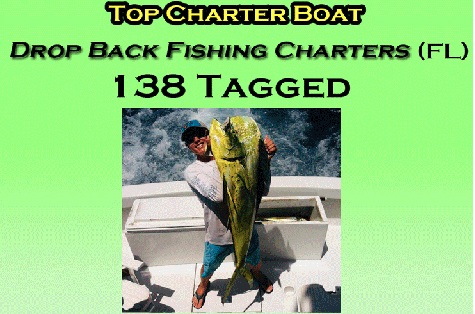
S.A.F.E. President Captain Jon Reynolds Named Top Charter Boat in 2025 DRP Tag & Release Awards
S.A.F.E. President Captain Jon Reynolds and Dropback Charters earned Top Charter Boat in the 2025 Dolphinfish Research Program awards with 138 mahi tagged and released.
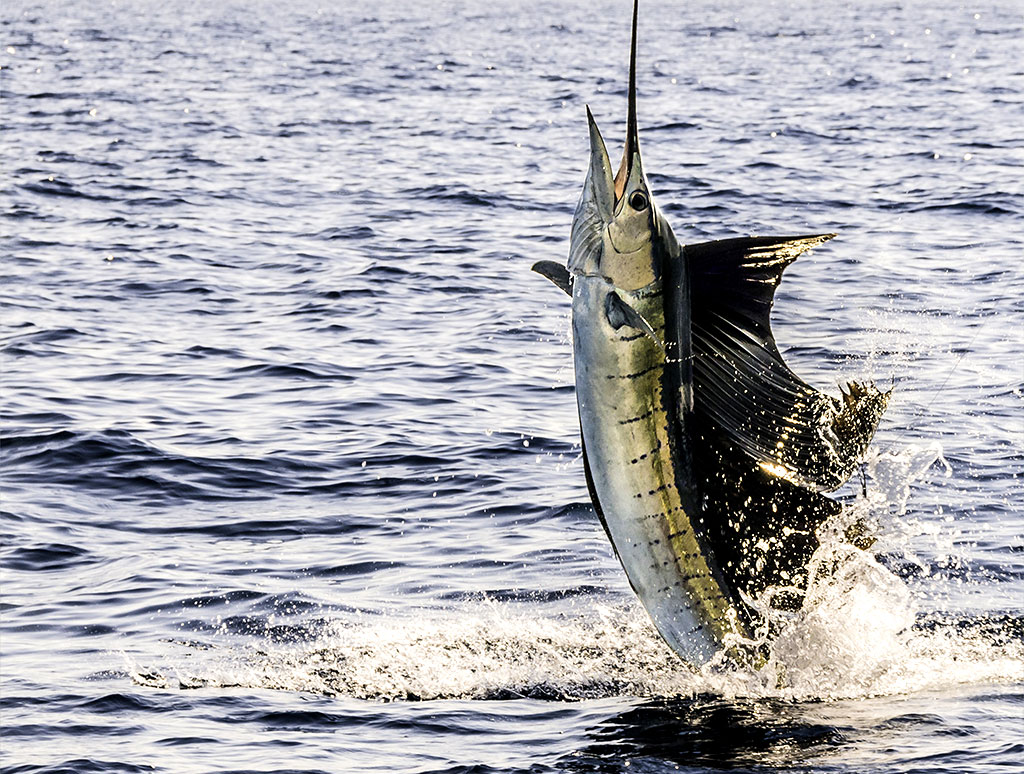
62nd Islamorada Sailfish Tournament Launches with Conservation Focus: Three Waters Resort as New Host
The historic Islamorada Sailfish Tournament enters its 62nd year with Three Waters Resort as new host, continuing its legacy as primary fundraiser for Islamorada Charter Boat Association's conservation mission.
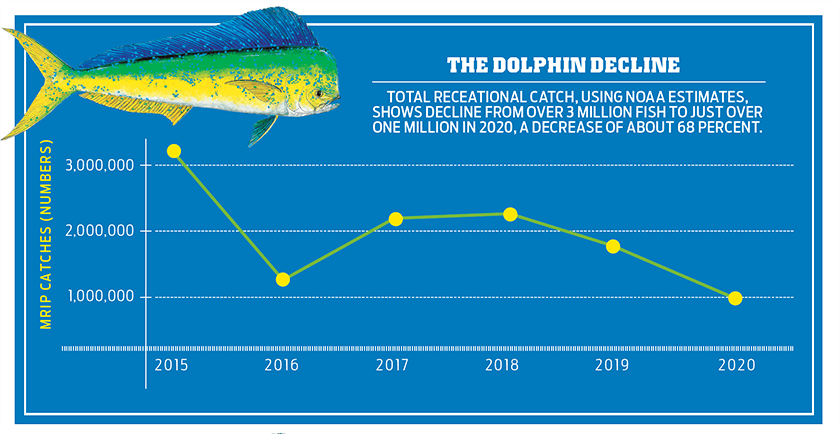
Historic Victory: Florida Adopts Stronger Mahi Regulations, Federal Review Underway
Florida implements proactive mahi conservation measures, reducing bag limits and calling for federal adoption of 2,000-pound commercial trip limits—a major victory for the Save the Mahi Mahi Campaign.
Join the Fight
Ready to take action? Become a S.A.F.E. member and help us protect the fisheries we love.