Historic Victory: Florida Adopts Stronger Mahi Regulations, Federal Review Underway
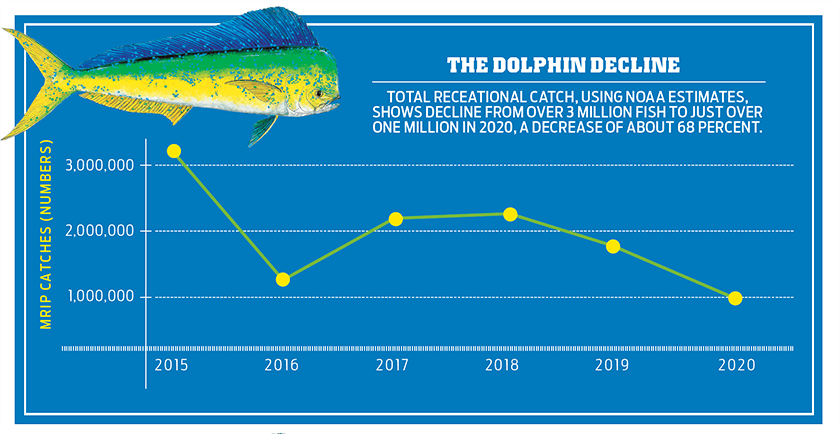
🏆 HISTORIC VICTORY: FLORIDA ADOPTS STRONGER MAHI REGULATIONS, FEDERAL REVIEW UNDERWAY
December 19, 2024 - In a landmark conservation victory, the State of Florida has implemented proactive mahi-mahi regulations that go beyond federal requirements, reducing recreational bag limits and setting the stage for long-awaited commercial trip limits. This represents the most significant regulatory progress in the decade-long fight to save the South Atlantic mahi fishery.
📜 THE NEW FLORIDA REGULATIONS: A BOLD CONSERVATION STAND
📊 FLORIDA VS. FEDERAL REGULATIONS
🏛️ FEDERAL (SAFMC AMENDMENT 10)
🌴 FLORIDA (NEW REGULATIONS)
Florida's regulations represent a 50% reduction in recreational bag limits compared to federal standards—a bold conservation stance that recognizes the urgency of the mahi crisis.
🎯 THE SAVE THE MAHI MAHI CAMPAIGN: YEARS OF ADVOCACY PAY OFF
CAMPAIGN ACHIEVEMENTS
The Save the Mahi Mahi Campaign, which represents thousands of anglers and conservationists including S.A.F.E., has achieved:1. ✅ Florida Regulatory Victory: 50% reduction in recreational limits 2. ✅ Federal Review Secured: SAFMC June 14-15 meeting to consider changes 3. ✅ Commercial Limit Push: 2,000-pound daily trip limit proposal 4. ✅ National Attention: Billfish Foundation and other major organizations engaged 5. ✅ Scientific Support: Research on spawning patterns and climate impacts
S.A.F.E.'S ROLE IN THE VICTORY
- 📝 Years of advocacy through public comments, meetings, and media
- 🤝 Coalition building with recreational and conservation groups
- 📊 Data provision from fishing community experiences
- 🗣️ Public testimony at FWC and SAFMC meetings
- 📰 Media engagement to build public support
- 📅 June 2024: SAFMC meeting and decision
- 📝 2024-2025: Rulemaking process and public comment
- 🎣 Early 2025: Potential federal implementation
- 📊 Ongoing: Monitoring and adaptive management
- 🌡️ Rising ocean temperatures shifting mahi distribution northward
- 🐟 Spawning pattern alterations requiring broader geographic protections
- 🔬 Current estimates: Over 60% of mahi spawning occurs off Florida
- 📈 Future projections: Spawning may shift to Mid-Atlantic states
- 🛡️ Proactive management: Minimum size limits needed throughout range
- 📅 Rapid maturation: Can reach sexual maturity in months
- 🐟 Fast growth: Larvae to 18 inches (45 cm) quickly
- 🔄 Frequent spawning: Multiple spawning events annually
- 🎯 High fishing pressure: Attractive target for all sectors
- 🌊 Climate sensitivity: Distribution shifts with temperature changes
- 🔬 Accurate data essential for effective management
- 📊 Transparent assessments build stakeholder trust
- 🤝 Balanced approach between recreational and commercial sectors
- 🌊 Ecosystem considerations in management decisions
- 📈 Continuous monitoring for adaptive management
- 💰 $450 million annual economic impact from mahi fishing
- 👥 Thousands of jobs in charter, tackle, and tourism sectors
- 🏆 Tournament economy dependent on healthy stocks
- 🚤 Marine industry manufacturing and sales
- 🏠 Coastal community livelihoods tied to fishery health
- 📈 Short-term sacrifice for long-term sustainability
- 💰 Quality over quantity economic model
- 👥 Client satisfaction through better fishing experiences
- 🏆 Tournament viability with healthier stocks
- 🌊 Industry reputation as conservation leaders
- 🚤 Captain Justin Hopper (Fantastic II): "A bag limit of 20, 30, 40 fish, I'm happy with."
- 🤝 Industry unity: Charter fleet welcoming reduced limits
- 🌊 Conservation leadership: Industry prioritizing stock recovery
- 💰 Economic rationale: Sustainable businesses require healthy fisheries
- 👥 Client education: Teaching conservation through fishing experiences
- 📝 Thousands of petition signatures supporting stronger regulations
- 🗣️ Public testimony at regulatory meetings
- 💰 Willingness to accept limits for fishery recovery
- 📊 Data contribution through catch reporting
- 🤝 Coalition participation in advocacy efforts
- 🌴 Florida leading with stronger conservation measures
- 🏛️ Federal review secured for adoption of those measures
- 🏭 Commercial trip limits finally on the table
- 🌊 Climate considerations integrated into management
- 🎣 Industry support for necessary sacrifices
- 🐟 A recovered mahi population
- 💰 A sustainable fishing economy
- 🌊 A resilient marine ecosystem
- 🤝 A collaborative management model
- 👶 A legacy for future generations
🏛️ THE FEDERAL REVIEW PROCESS: WHAT'S NEXT
JUNE 14-15 SAFMC MEETING AGENDA
The South Atlantic Fishery Management Council will review inconsistencies between federal and state regulations with three key objectives:1. 🔄 Align Federal with State: Modify Amendment 10 to match Florida's stricter limits 2. 🏭 Implement Commercial Limits: Add 2,000-pound daily trip limit for commercial vessels 3. 🌊 Expand Size Protections: Apply 20-inch minimum size limit throughout U.S. coastal states
IMPLEMENTATION TIMELINE
SCIENTIFIC BASIS FOR EXPANDED PROTECTIONS
Climate Change Considerations:📊 THE SCIENCE BEHIND THE REGULATIONS
MAHI BIOLOGY AND VULNERABILITY
Fast Growth but High Vulnerability:STOCK ASSESSMENT NEEDS
💰 ECONOMIC AND SOCIAL IMPACTS
FLORIDA'S ECONOMIC STAKE
CONSERVATION AS ECONOMIC STRATEGY
🎣 INDUSTRY RESPONSE AND SUPPORT
CHARTER CAPTAIN ENDORSEMENT
As documented in previous Miami Herald coverage:RECREATIONAL ANGLER SUPPORT
📈 NEXT STEPS IN THE CONSERVATION JOURNEY
IMMEDIATE PRIORITIES (2024)
1. 🏛️ SAFMC June meeting: Secure federal adoption of Florida standards 2. 🏭 Commercial trip limits: Implement 2,000-pound daily maximum 3. 🌊 Size limit expansion: Apply 20-inch minimum throughout U.S. range 4. 📊 Data improvement: Enhance stock assessment and monitoring 5. 🤝 Stakeholder engagement: Continue building conservation coalitionMEDIUM-TERM GOALS (2025-2026)
1. 🐟 Stock recovery indicators: Measure population response to new regulations 2. 💰 Economic impact assessment: Study effects of conservation measures 3. 🔬 Research expansion: Climate change and spawning pattern studies 4. 🌊 Ecosystem management: Broader consideration of mahi role in food web 5. 👥 Industry adaptation: Support transition to sustainable practicesLONG-TERM VISION (2027+)
1. 🎣 Sustainable fishery: Rebuilt to historical abundance levels 2. 💰 Economic stability: Predictable income for fishing businesses 3. 🌊 Climate resilience: Management adapted to changing conditions 4. 🏆 Industry leadership: Model for sustainable fisheries nationwide 5. 👶 Legacy secured: Fishing opportunities for future generations📄 RESOURCES AND FURTHER INFORMATION
Official Documents and Campaign Resources
🎯 HOW TO SUPPORT THE CONTINUED EFFORT
FOR FLORIDA RESIDENTS AND ANGLERS:
1. 📝 Submit comments to SAFMC supporting federal adoption of Florida standards 2. 🗣️ Attend public hearings (virtual options available) 3. 📊 Practice the new limits even before federal adoption 4. 📰 Share the victory on social media to build momentum 5. 🤝 Thank FWC commissioners for their conservation leadershipFOR CONSERVATION ORGANIZATIONS:
1. 🤝 Join the coalition advocating for federal changes 2. 📊 Provide scientific support for management decisions 3. 💰 Fund research on mahi populations and climate impacts 4. 📰 Amplify the message through member communications 5. 🏛️ Engage in regulatory processes at state and federal levelsFOR THE FISHING INDUSTRY:
1. 🚤 Lead by example in adopting new regulations 2. 📚 Educate clients about conservation measures 3. 📊 Collect and share data to improve management 4. 💰 Support sustainable business models 5. 🏆 Celebrate conservation leadership in industry marketingS.A.F.E. - South Atlantic Fishing Environmentalists Turning advocacy into regulatory victory
This victory belongs to every angler, charter captain, conservationist, scientist, and concerned citizen who fought for years to save the mahi fishery. Special thanks to the Save the Mahi Mahi Campaign coalition, Florida FWC commissioners, and all who refused to accept inadequate management.
🏆 FINAL REFLECTION: THE POWER OF PERSISTENT ADVOCACY
The December 2024 regulatory victory for mahi conservation represents something profound: proof that persistent, science-based advocacy can change systems.
For years, we documented the crisis. For years, we built coalitions. For years, we provided data. For years, we spoke truth to power. For years, we refused to accept "good enough."
And now, we see results:
This victory isn't the end—it's a new beginning. It's the foundation upon which we'll build:
The journey from crisis documentation to regulatory victory has been long and difficult. But it proves that when we unite around science, when we build broad coalitions, when we engage persistently in the process—change is possible.
Now we must ensure this victory leads to real recovery. We must monitor implementation. We must continue advocacy. We must adapt to new challenges. We must build on this success for other fisheries.
Because conservation isn't a single victory—it's a continuous commitment. And with this mahi regulatory victory, we've proven that commitment can produce results.
"Regulatory victories are not endpoints—they are waypoints on the journey to sustainable fisheries. Today we celebrate reaching this waypoint. Tomorrow we continue the journey."
Share This Story
More From S.A.F.E.
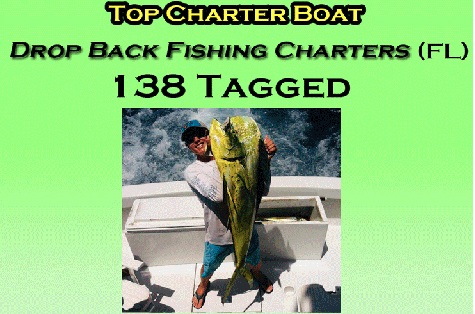
S.A.F.E. President Captain Jon Reynolds Named Top Charter Boat in 2025 DRP Tag & Release Awards
S.A.F.E. President Captain Jon Reynolds and Dropback Charters earned Top Charter Boat in the 2025 Dolphinfish Research Program awards with 138 mahi tagged and released.
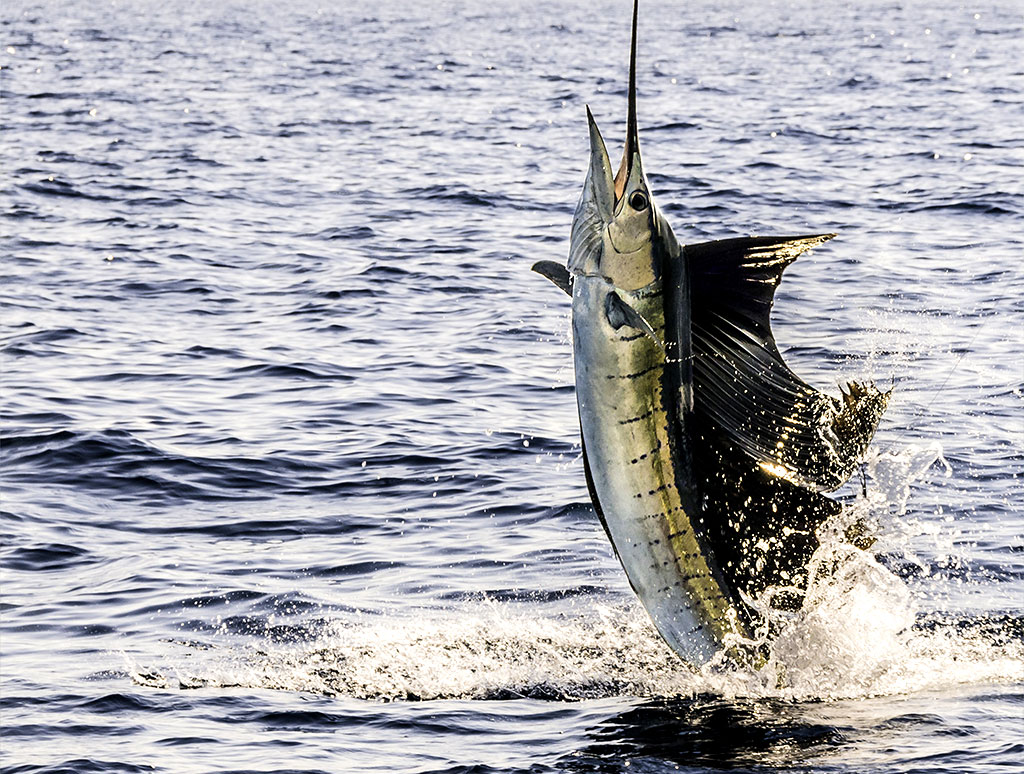
62nd Islamorada Sailfish Tournament Launches with Conservation Focus: Three Waters Resort as New Host
The historic Islamorada Sailfish Tournament enters its 62nd year with Three Waters Resort as new host, continuing its legacy as primary fundraiser for Islamorada Charter Boat Association's conservation mission.
Fishing Community Partners with NOAA on Coral Restoration: Anglers Join Mission: Iconic Reefs Initiative
Florida Keys fishing community collaborates with NOAA on groundbreaking coral restoration efforts through Mission: Iconic Reefs, demonstrating how anglers contribute to ecosystem recovery beyond fishery management.
Join the Fight
Ready to take action? Become a S.A.F.E. member and help us protect the fisheries we love.